The Pearl of Islay – Bruichladdich
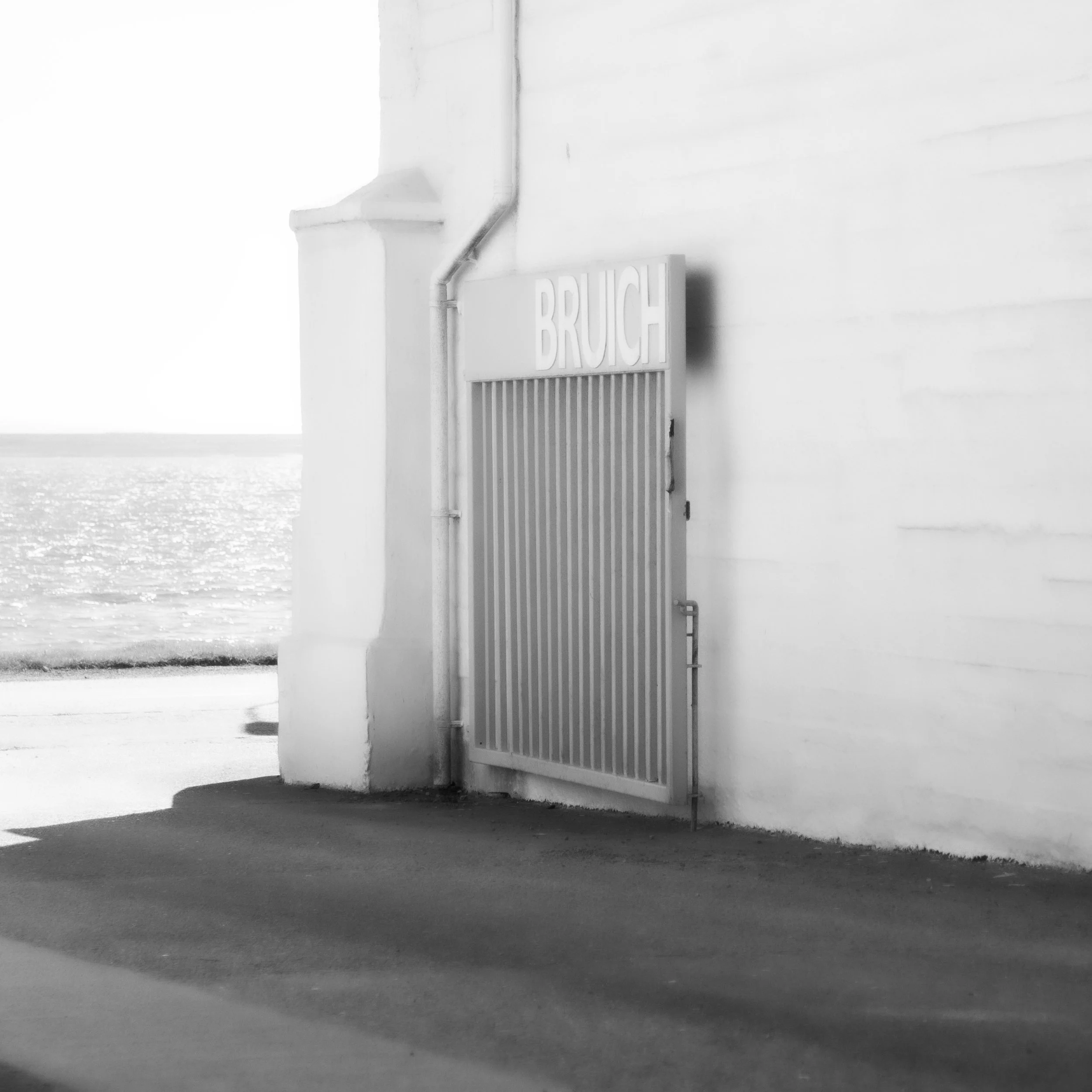
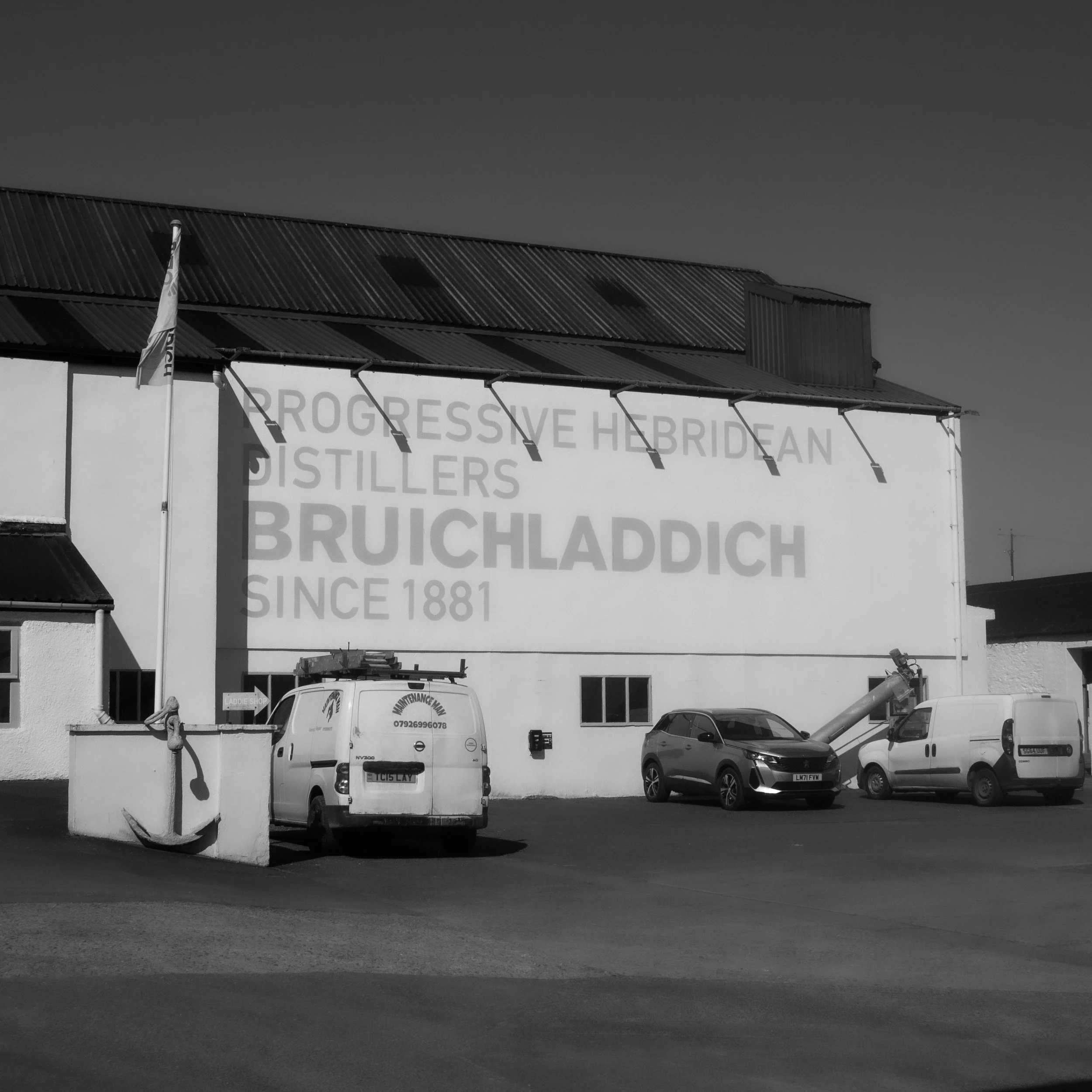
It must have been quite a few years ago — back in my early writing days — when I first wrote about Bruichladdich. At the time, I was still in Hong Kong, never imagining that years later I would find myself living in Scotland, nor that I’d one day set foot on the Isle of Islay itself, standing in front of the distillery gates. What a magical feeling that was……
In that earlier piece, I described Bruichladdich with the phrase “Steadfast Innovation.” Today, I’d like to add another - “The Pearl of Islay.” It’s a fitting description for this legendary distillery perched on the western shores of Loch Indaal on Islay, shimmering with its signature shade of blue.
A Family of Pioneers
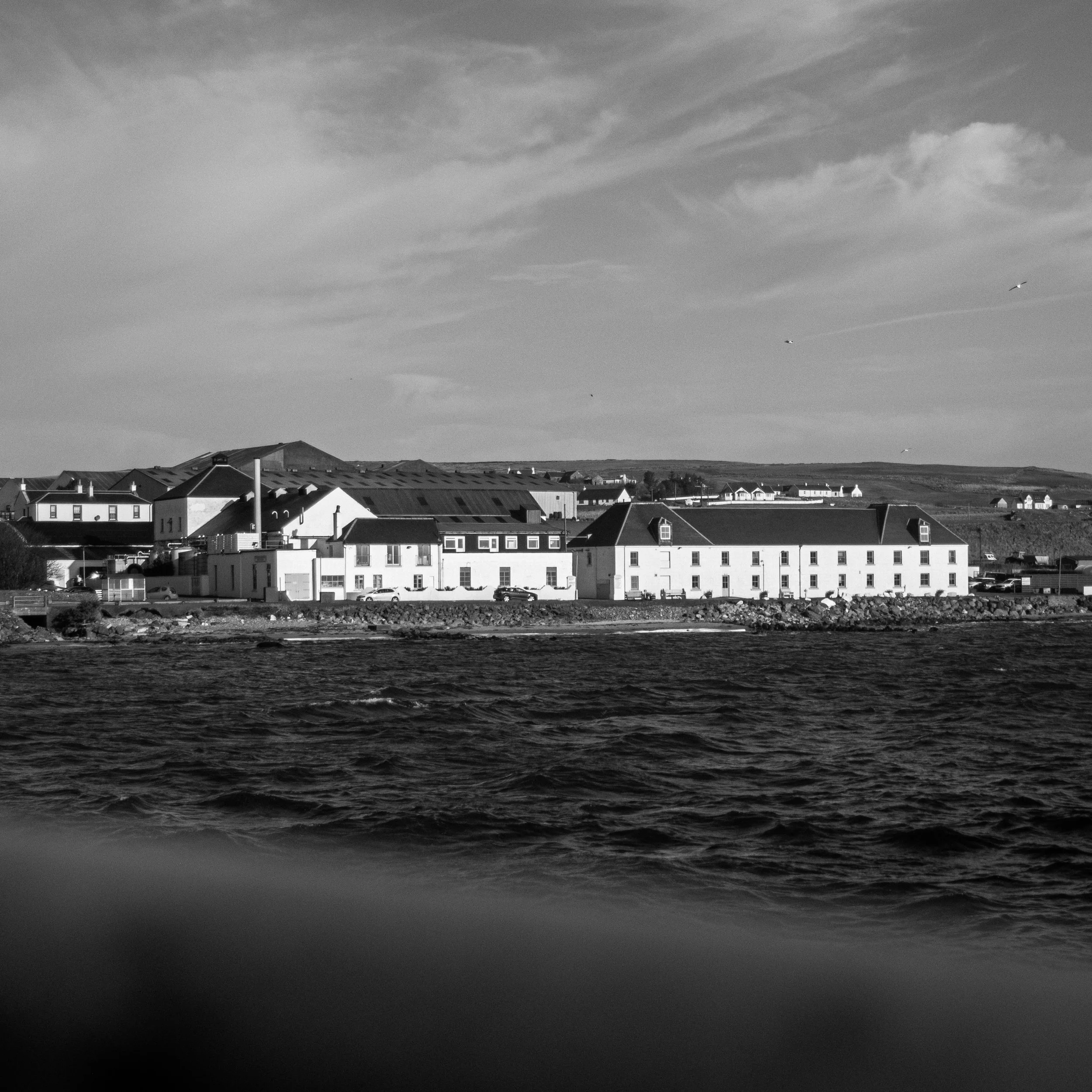
In 1881, the Harvey brothers from Glasgow arrived on Islay and built the Bruichladdich Distillery on the Rinns of Islay peninsula, overlooking the bay of Loch Indaal. For the three Harvey brothers, whisky-making was hardly unfamiliar territory - the family had been involved in the whisky business since 1770. While they were planning this new distillery, their uncles Barnett and John were managing two grain whisky distilleries, Yoker and Dundas Hill, back in Glasgow.
Before building Bruichladdich, the eldest brother, William had been trading sugar in Glasgow with great success. The second brother, John had already joined the family’s distillery operations and knew the business inside out. The youngest, Robert held a degree in engineering and ran his own distillery design firm.
Perhaps one day, the idea struck them all at once - “Why not build another distillery of our own? Each of us could run one, and together we could create our family’s own blended whisky!”
That was a damn good idea!
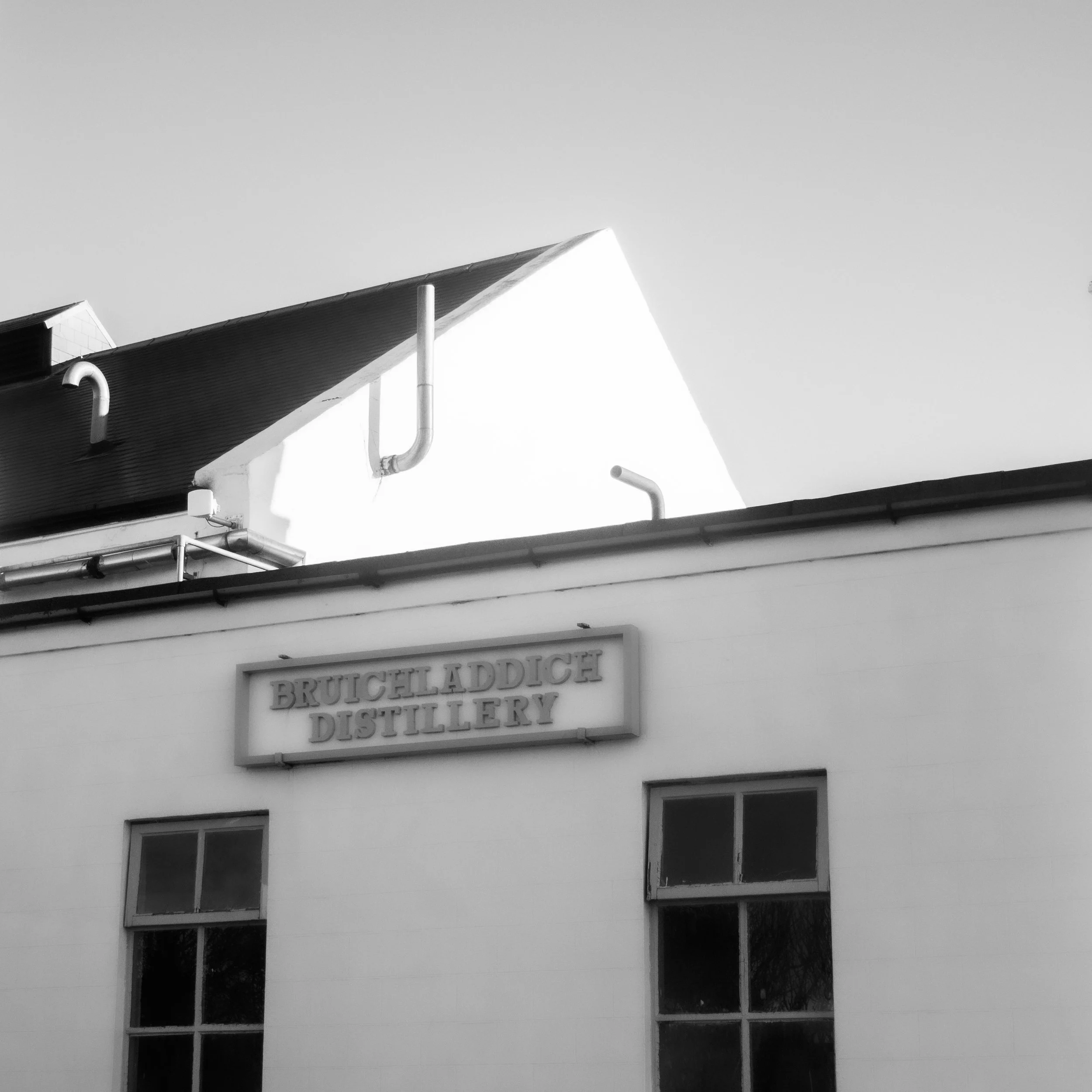
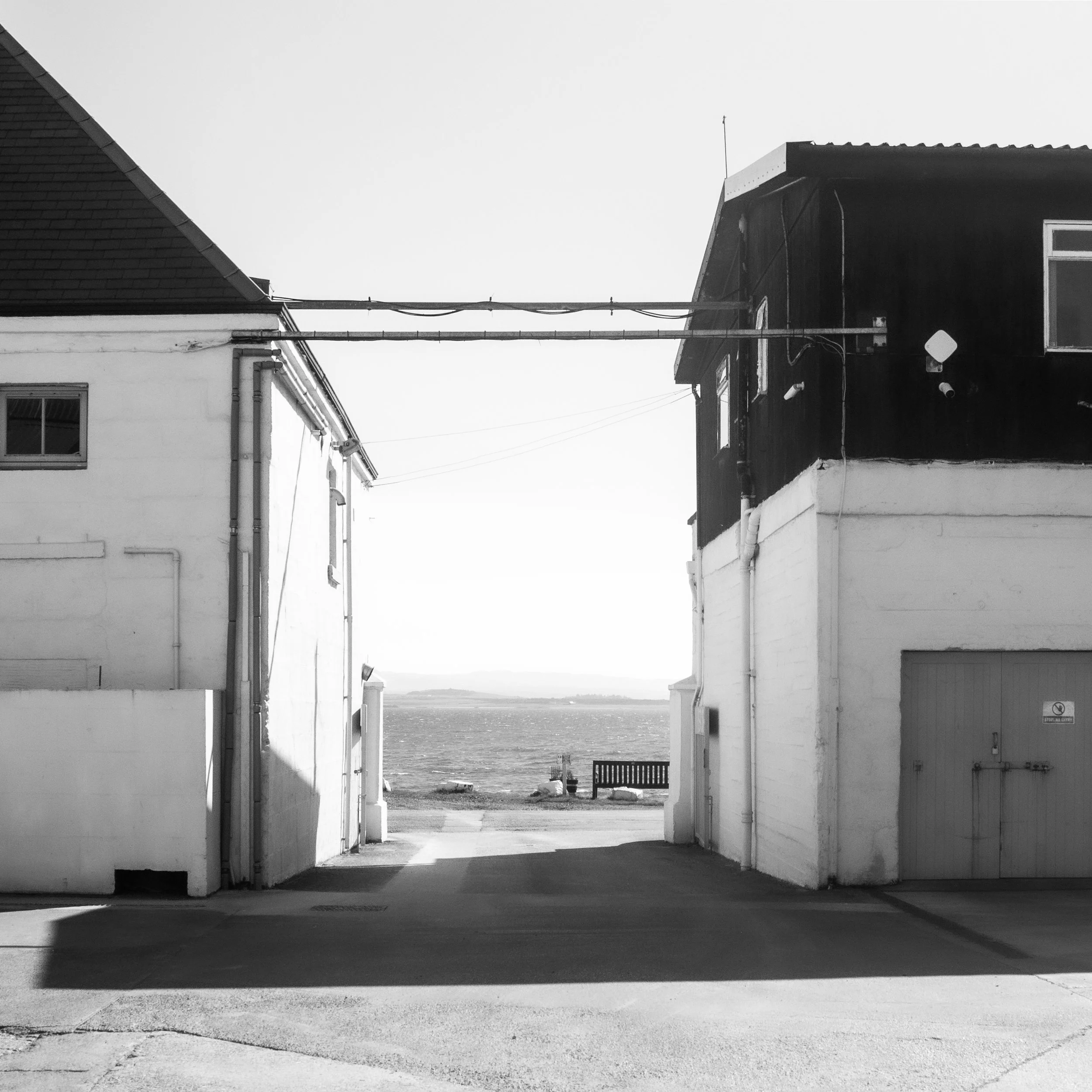

So, combining their individual expertise, William, John, and Robert Harvey founded their family’s third whisky distillery - Bruichladdich - in 1881. Its name comes from the Gaelic Bruthach a' Chladaich, meaning “the brae by the shore.”
Unlike the traditional farmhouse-style distilleries common on Islay at the time, Robert’s design for Bruichladdich was a marvel of modernity. He built it using stones collected from the nearby coastline, reinforced with concrete for strength. At its heart was a vast central courtyard - a bold innovation for its era. The new layout not only streamlined production efficiency but also gave the distillery a distinctive architectural character. Remarkably, many of those original Victorian buildings and even some of the equipment are still standing and in use today.
A Brilliant Start, a Difficult Journey
Yet, while the Harvey brothers were geniuses in distillation and engineering, their business sense proved less robust. The late 19th century saw a boom in new distilleries and fierce competition. Then came the Pattison Crash, a financial collapse that sent shockwaves through the Scotch whisky industry.
Bruichladdich’s operations soon fell into hardship, and after a devastating fire in 1934, followed by the death of William in 1936, the Harvey family finally decided to sell the distillery that same year.
In 1937, the legendary drinks entrepreneur Joseph Hobbs acquired Bruichladdich, bringing it under his Associated Scottish Distillers (ASD) group. But with World War II on the horizon, times were tough for the Scotch trade. Ownership would change hands several times in the following decades - Ross & Coulter (1952), DCL (1954), A.B. Grant & Co (1960), and Invergordon Distillers (1968) - until it eventually landed under Whyte & Mackay in 1993.
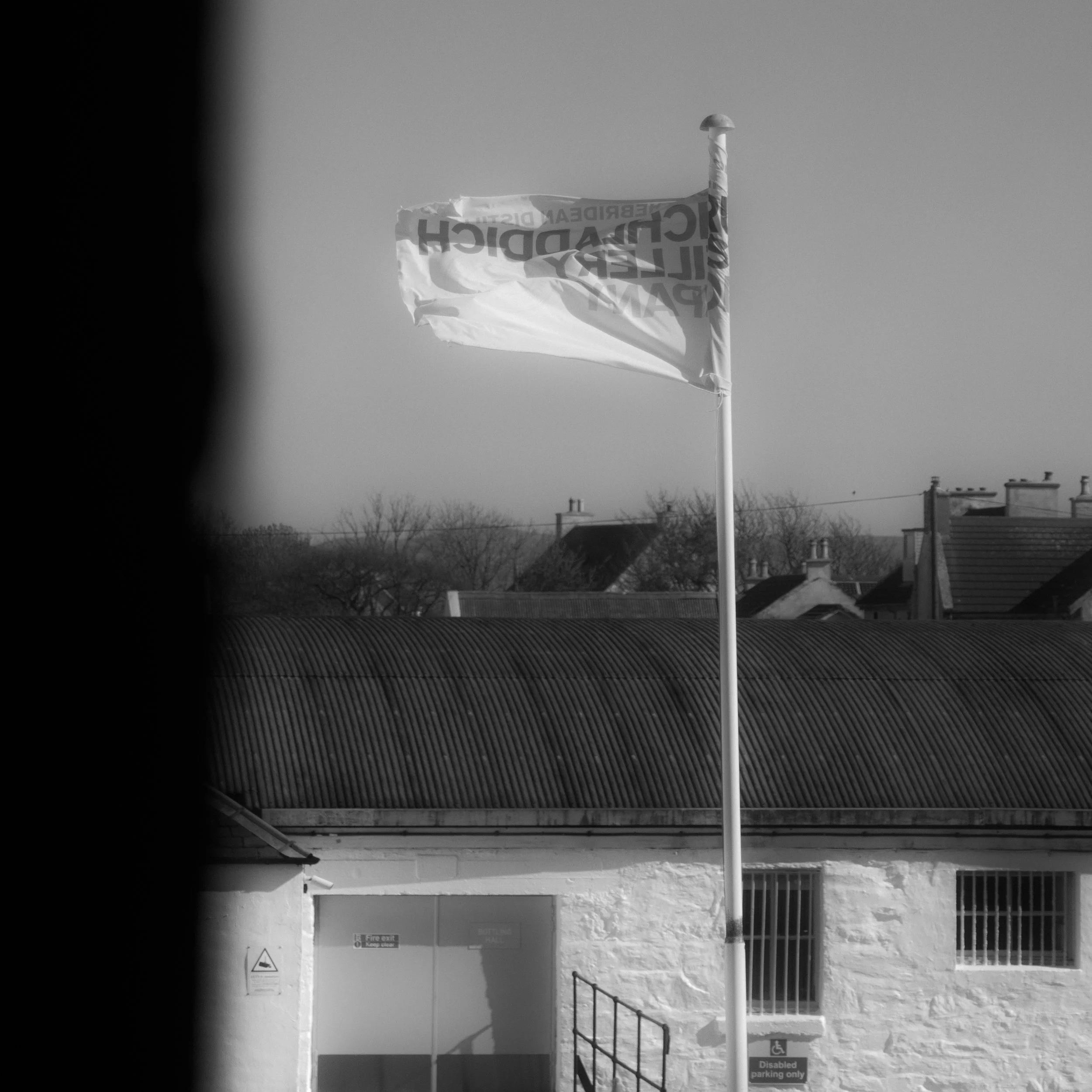
By 1995, the stills of Bruichladdich fell silent.
A Chance Encounter and New Beginning
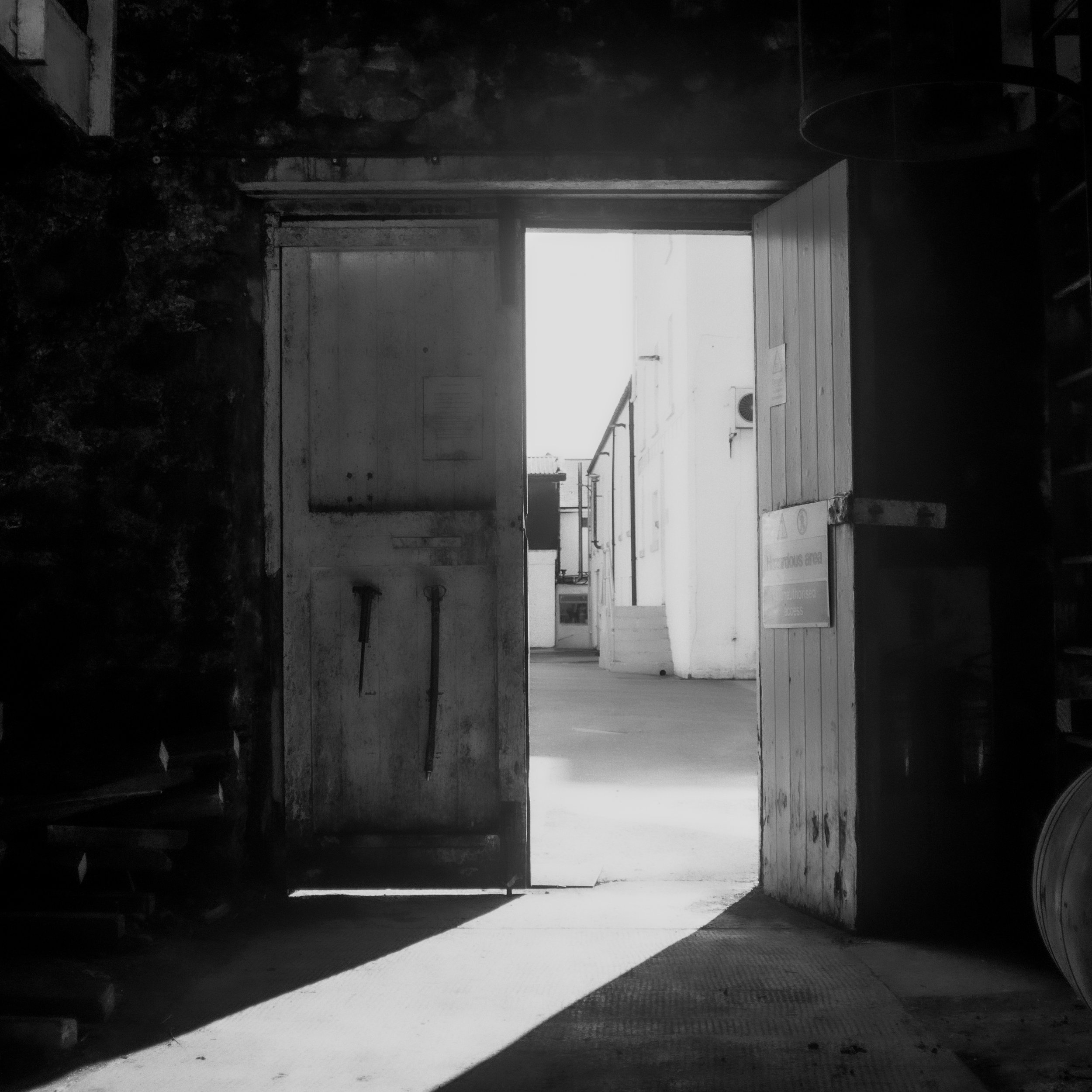
One summer, a man on a cycling tour of Islay happened to pass by the shores of Loch Indaal. He noticed the weathered stone buildings of Bruichladdich standing quietly by the sea. Curious, he stopped, dismounted, and walked up to the iron gates — then, for reasons even he couldn’t explain, began knocking loudly.
Inside, an old worker named Benjin, who had been maintaining the site for 36 years, heard the noise and came to open the heavy black gates. In that moment, the gears of destiny began to turn again - it was the summer of 1994.
In truth, when Bruichladdich had first come under Whyte & Mackay, it had already ceased production due to Scotland’s whisky overcapacity. The minimal maintenance being done was merely to keep it presentable for a future sale.
That cyclist’s name was Mark Reynier - and in the year 2000, he would write the next chapter in Bruichladdich’s story.


The Spirit of Terroir
To honour Mark’s philosophy of terroir — the belief that a spirit should reflect the land where it was born - Bruichladdich didn’t stop at maturing its whisky on Islay. It began an ambitious exploration of barley provenance.
In the early years after reopening, Bruichladdich used 100% Scottish-grown barley. Then, in 2004, the distillery made history by producing whisky from Islay-grown barley, harvested by local farmer Raymond Stewart at Kentraw Farm. Since then, more than 20 farms on Islay have taken part in this continuing experiment.
The distillery went on to revive ancient barley varieties such as Bere (2005), and in 2010, it even distilled whisky from biodynamically grown barley - an agricultural method that treats the farm as a living ecosystem.
To this day, Bruichladdich continues its quest to uncover how barley variety, soil, and climate shape the soul of whisky - a true embodiment of terroir.
Wine Barrels and a French Connection
There’s also a story - part legend, part truth - about the maturing stock that came with the 2000 purchase. While the sale included a large number of casks, many of them were reportedly in poor condition. With few options, Mark decided to re-rack the whisky into better barrels - and naturally, he turned to what he knew best: wine casks.
From French and Italian wineries came an array of oak barrels that would later define Bruichladdich’s modern identity. According to the distillery’s official data, its warehouse now holds around 100,000 casks, representing over 260 different varieties. Around 75% of them once held wine, dessert wine, or sherry — an extraordinary diversity unmatched in most Scotch distilleries.
In 2004, Peter Mactaggart joined the team, becoming the first cooper (barrel-maker) to work on Islay since 1966.
In 2012, French spirits giant Rémy Cointreau acquired Bruichladdich for £58 million, and it remains under their ownership today.
Inside the Distillery
Our tour began in the mill house, where we finally saw that 1920s–30s Robert Boby malt mill up close — lovingly maintained by engineer Ronnie Lee and still fully operational. Sadly, other parts of the mill were under renovation at the time, as the distillery was preparing to revive its own malting floor — a traditional process they plan to restart soon, allowing them to malt barley on site once again.
Currently, Bruichladdich sources most of its malt from Highland maltsters such as Bairds, though local Islay-grown barley must still be sent to Inverness for malting. The maltsters produce three distinct styles according to Bruichladdich’s needs: Classic Laddie – unpeated malt; Port Charlotte – peated to around 40ppm, after about 30 hours of peat smoking; Octomore – the heavily peated to astonishing levels, peat smoke from 80 to 300 hours.
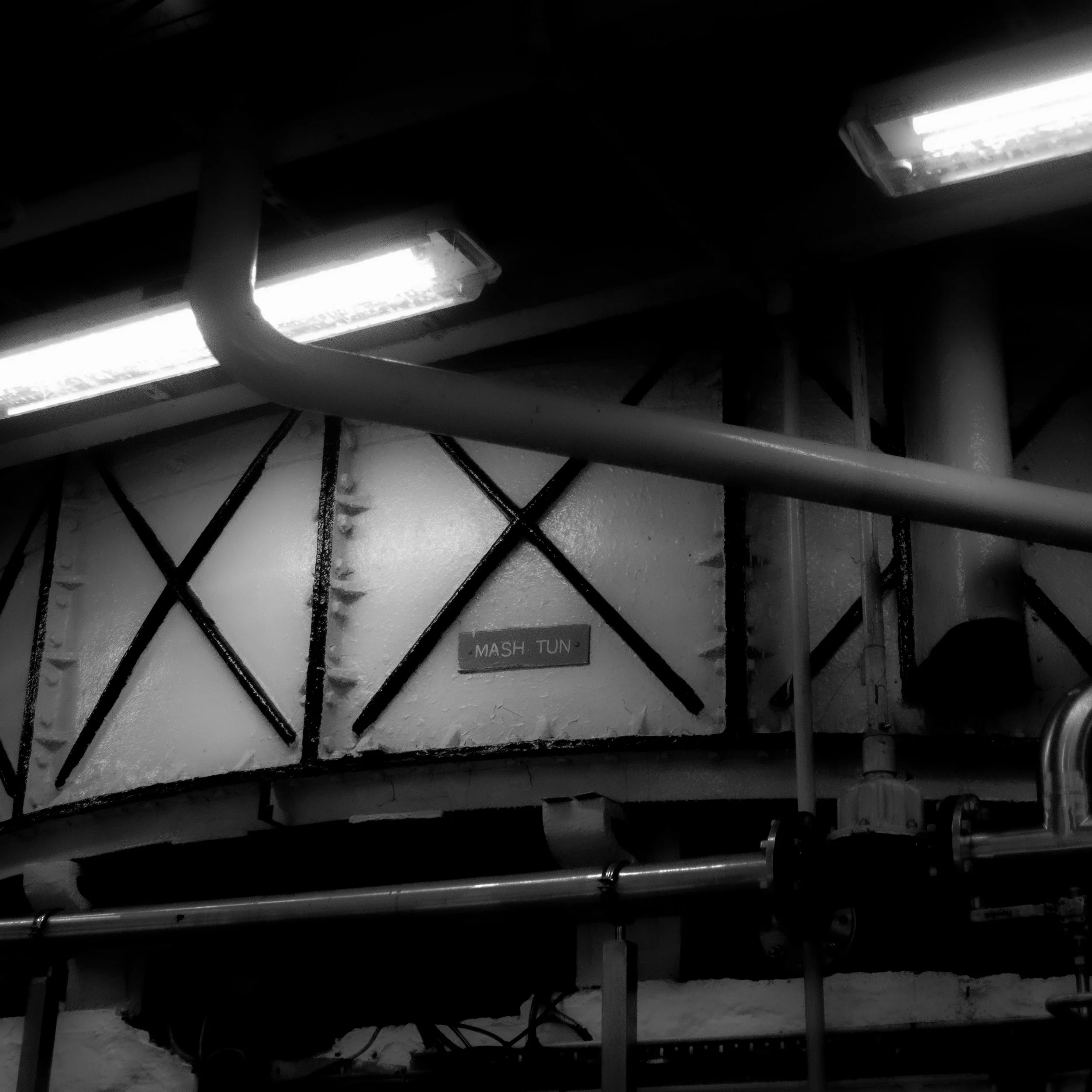
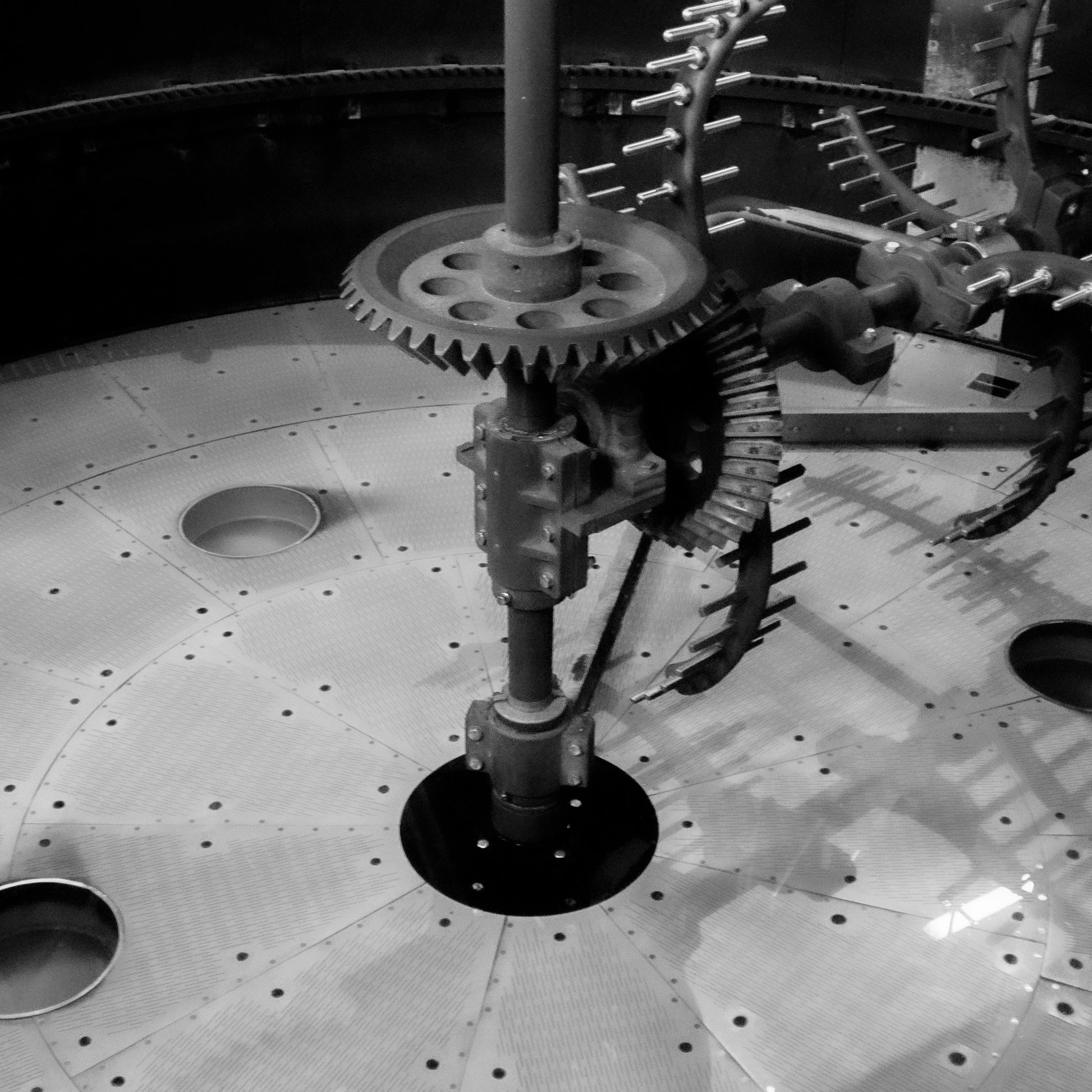
The distillery still uses a Victorian-era open top cast-iron mash tun, capable of handling 7 tonnes of barley per batch. The grist ratio is 1:2:7, with three rounds of hot water at 76°C, 88°C, and 96°C used to extract the sugars. However, this open design is now considered inefficient by modern environmental standards, and there are plans to replace it with a new stainless-steel mash tun to improve sustainability.
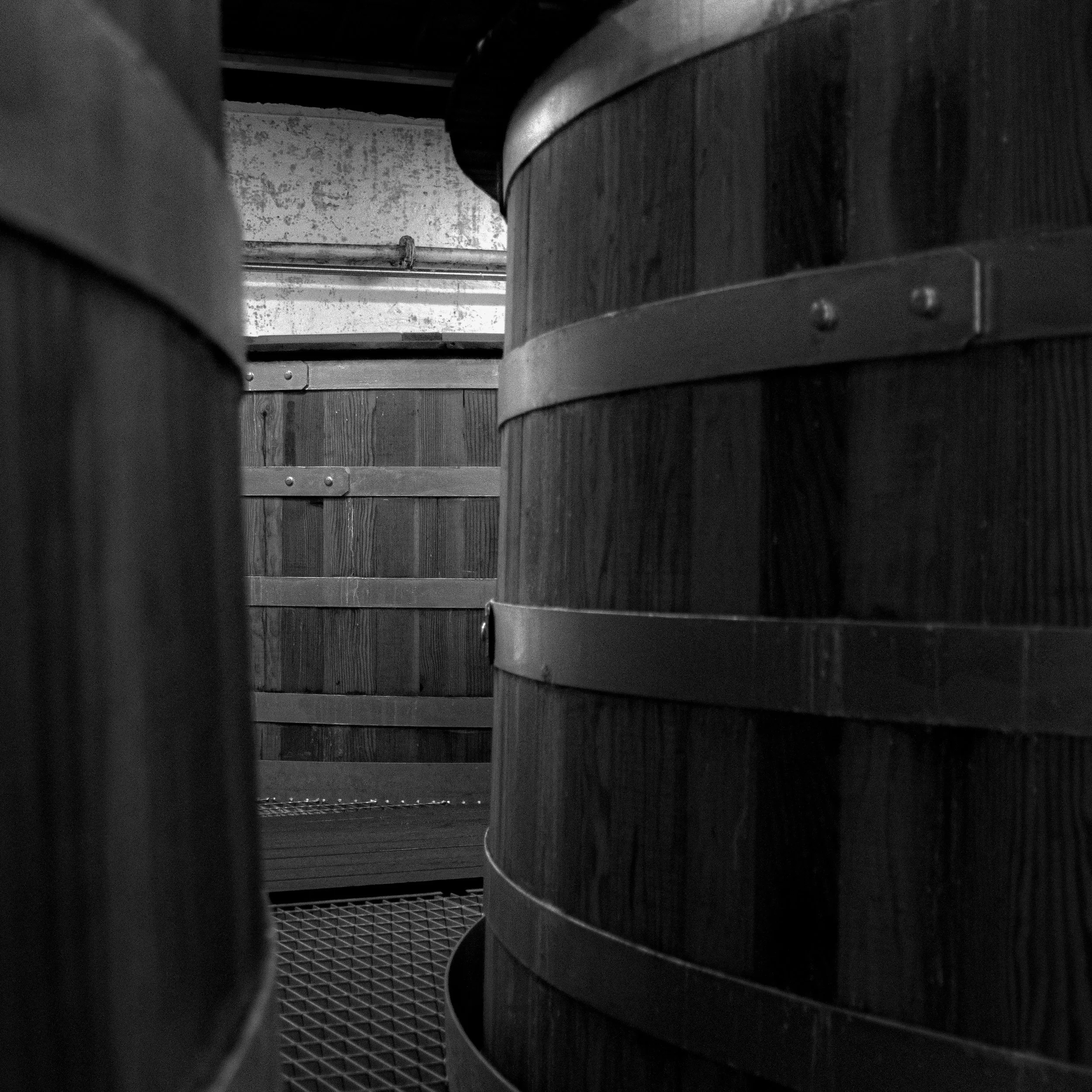
The six wooden washbacks, each holding 32,000 litres, ferment the wash for 70 to 100 hours, producing a fruity, estery wash — with ripe banana notes particularly noticeable in the warm air of the room.
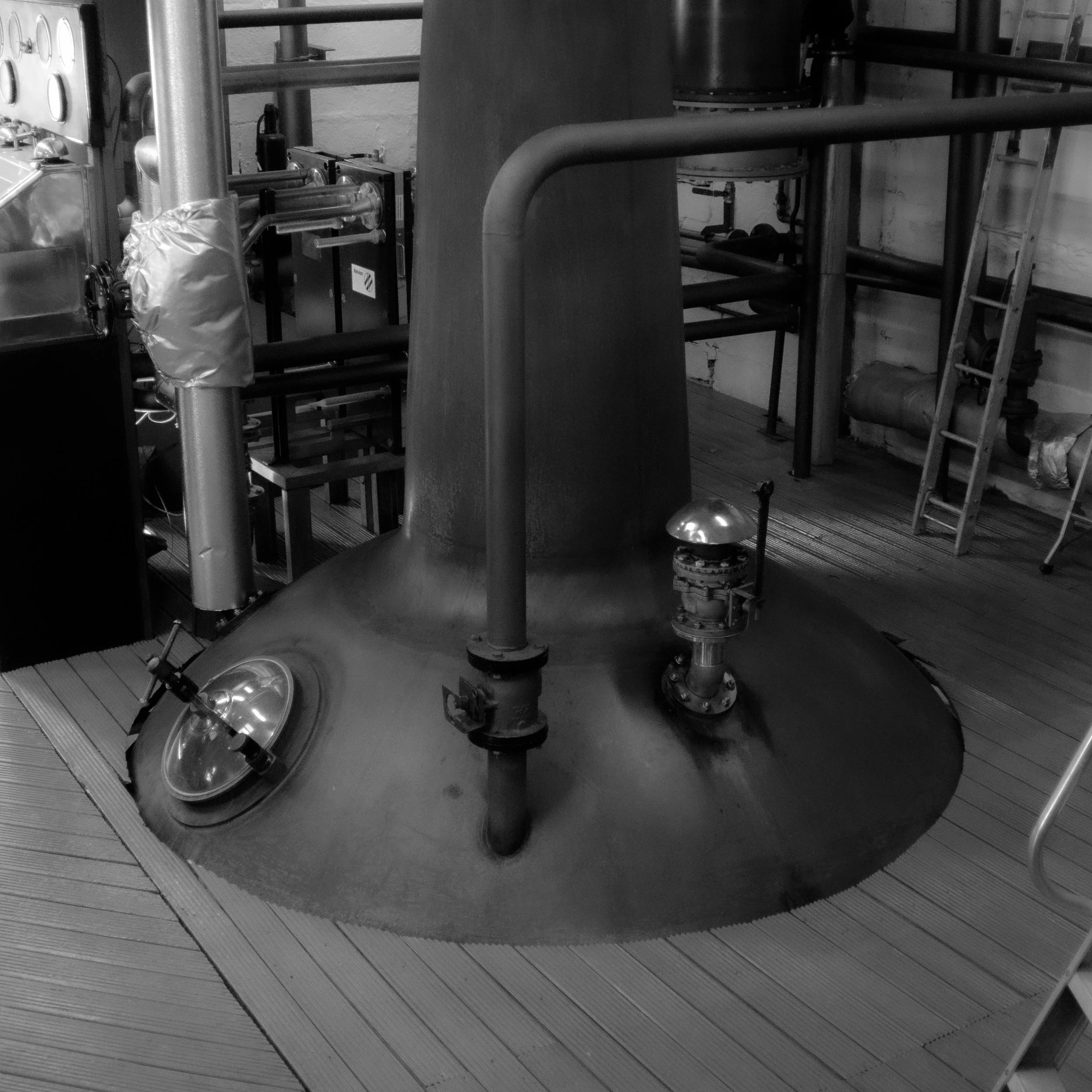
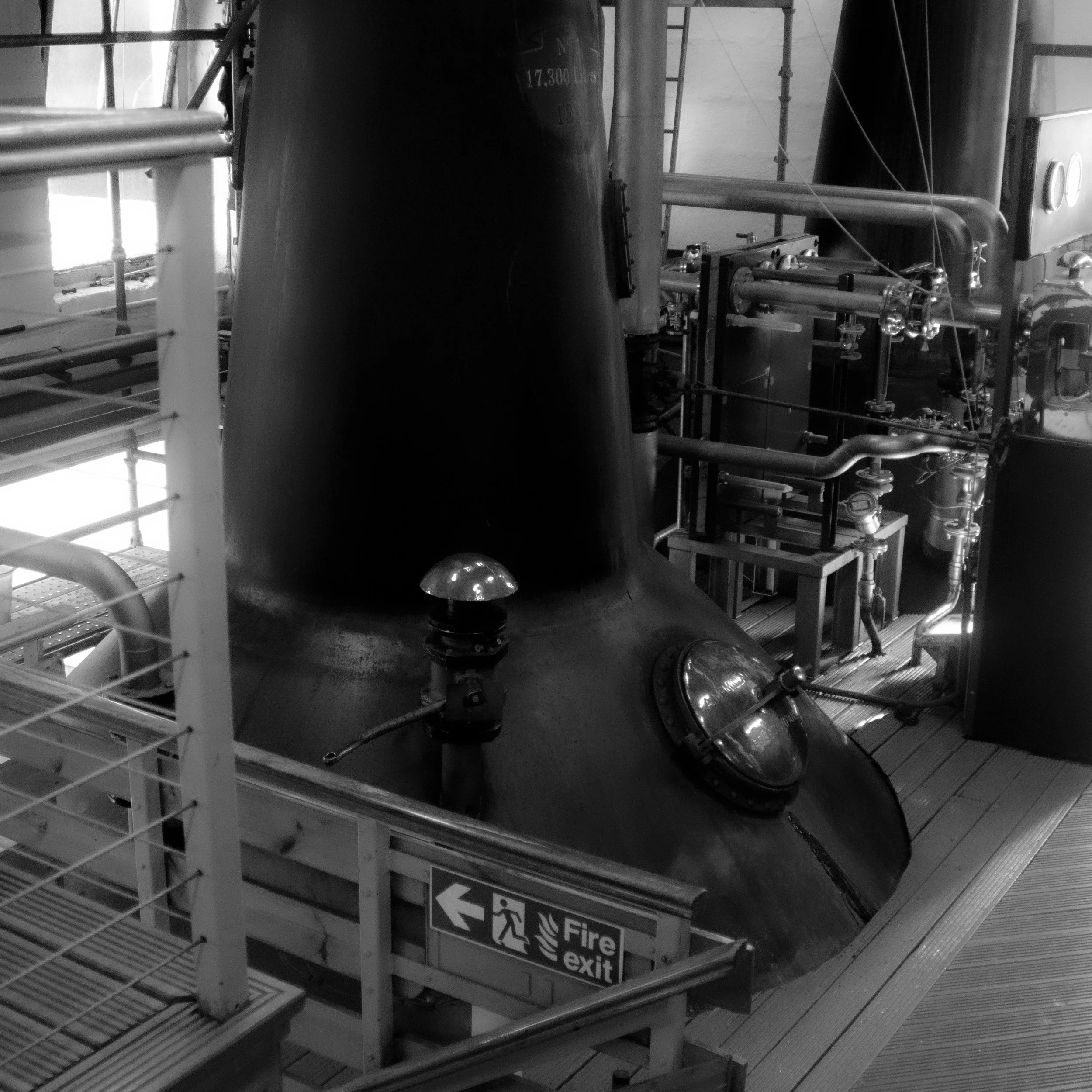
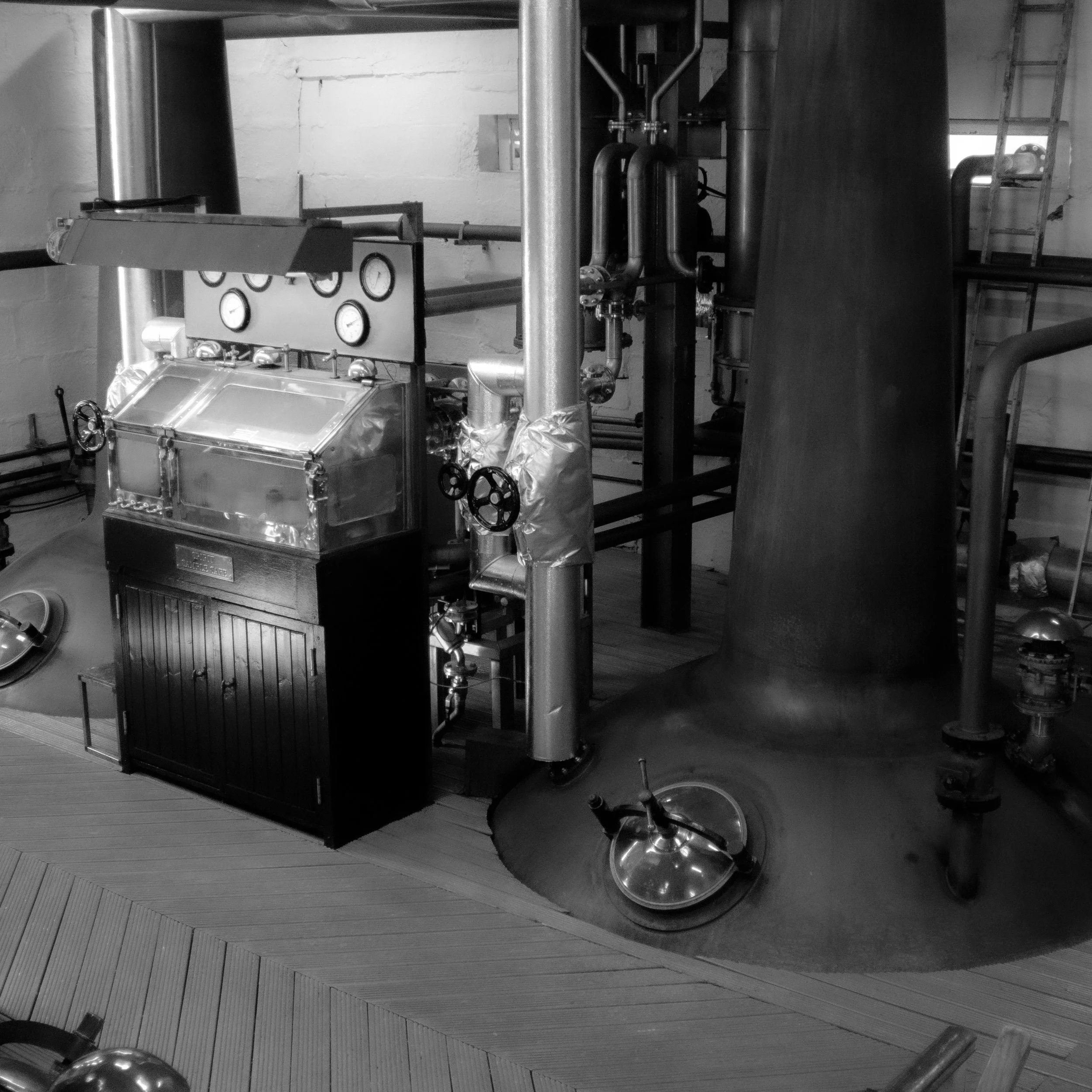
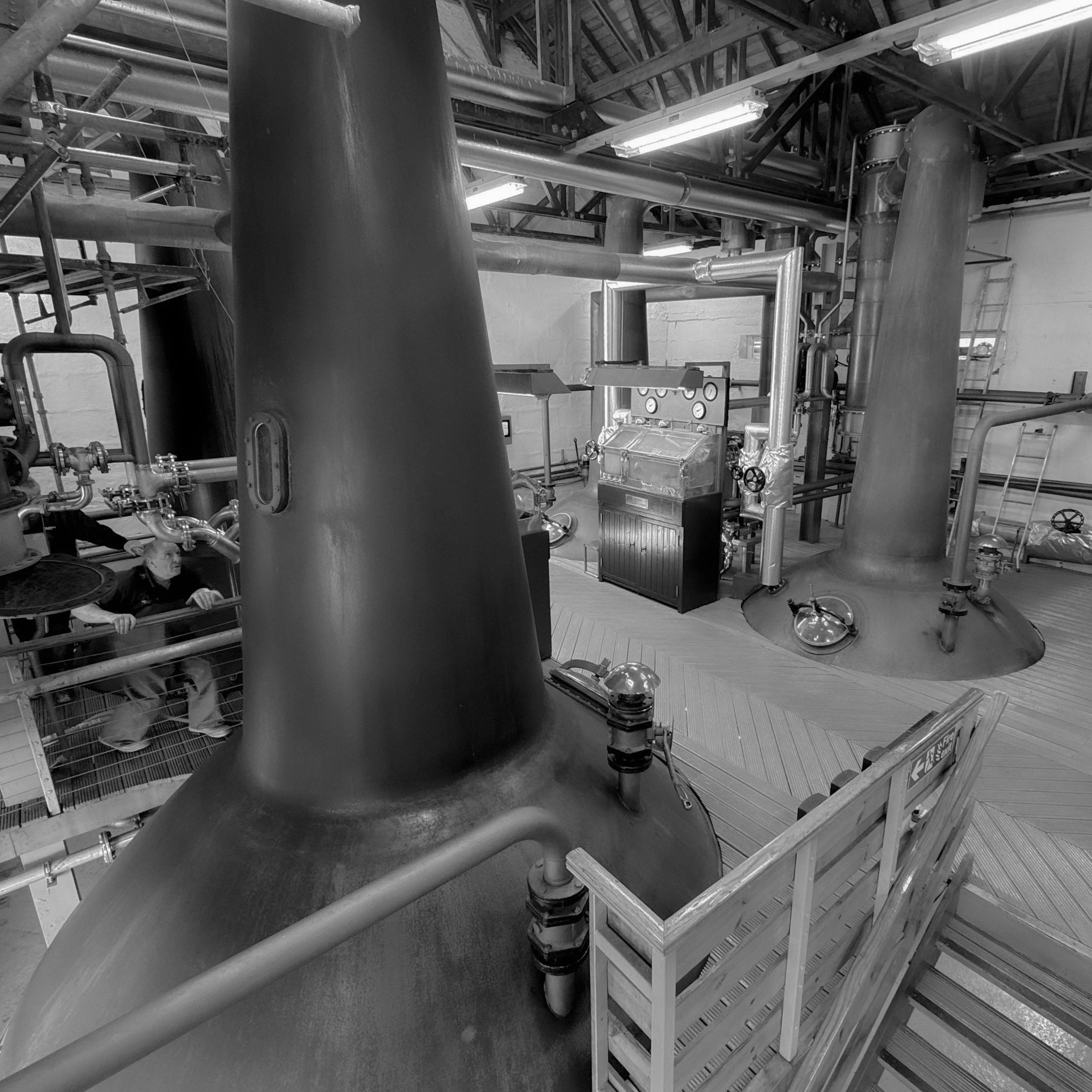
Bruichladdich operates a 2 + 2 still configuration, plus one unique addition - a Lomond still named Ugly Betty, salvaged from the closed Inverleven Distillery near Glasgow in 1991. Ugly Betty is used to produce The Botanist gin, one of the finest gins to come from Scotland.
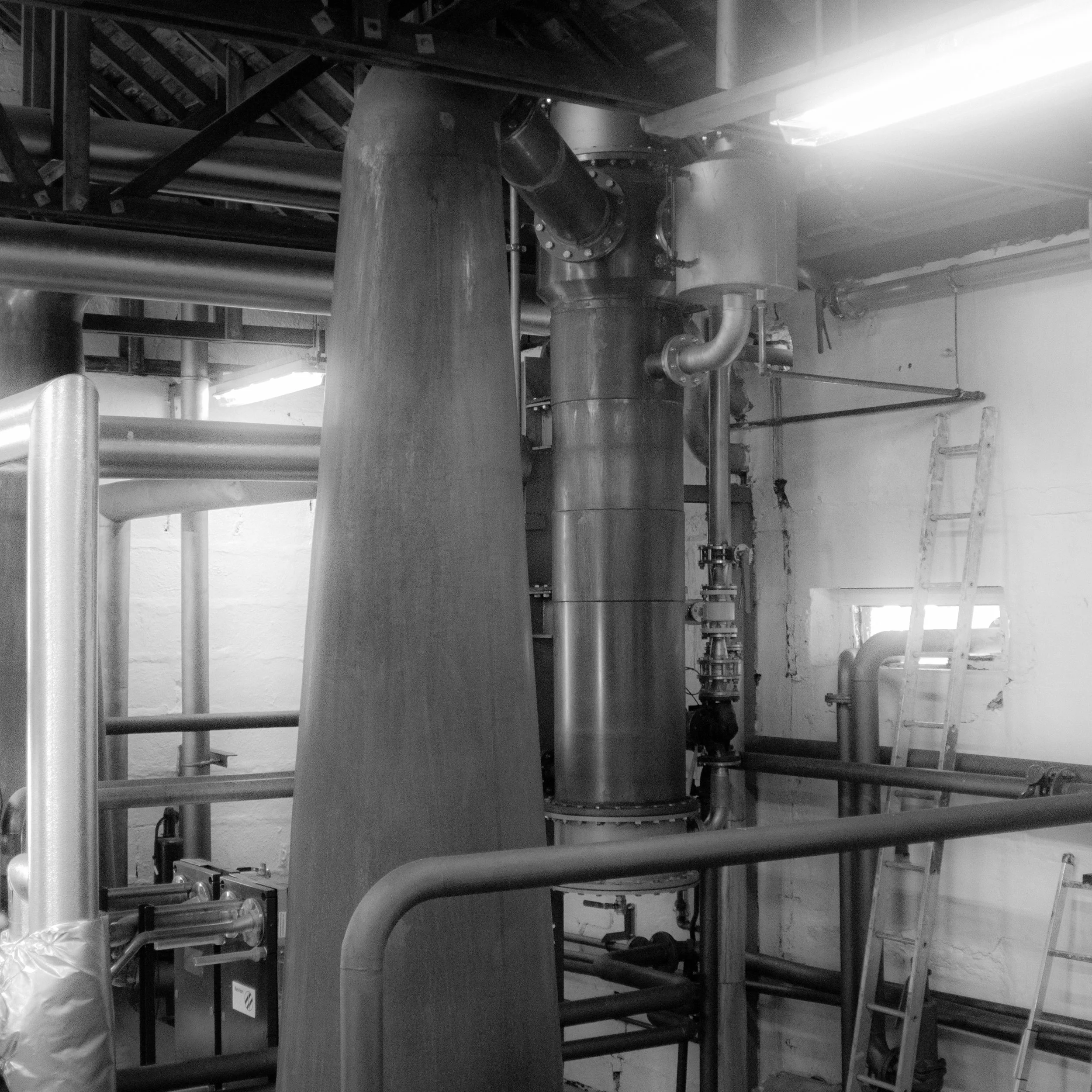
The pot stills themselves, though traditional onion-shaped, have slightly narrower necks and tighter shoulders, increasing reflux and copper contact to create a cleaner, fruitier spirit. The wash stills have a capacity of 17,300 litres, and the spirit stills, 12,500 litres.
The lyne arms slope gently downward into shell-and-tube condensers, cooled by water from the nearby Bruichladdich River. The spirit heart cut is taken between 61% and 74% ABV, and the new make spirit is casked at a slightly higher than usual 68 - 69% ABV.
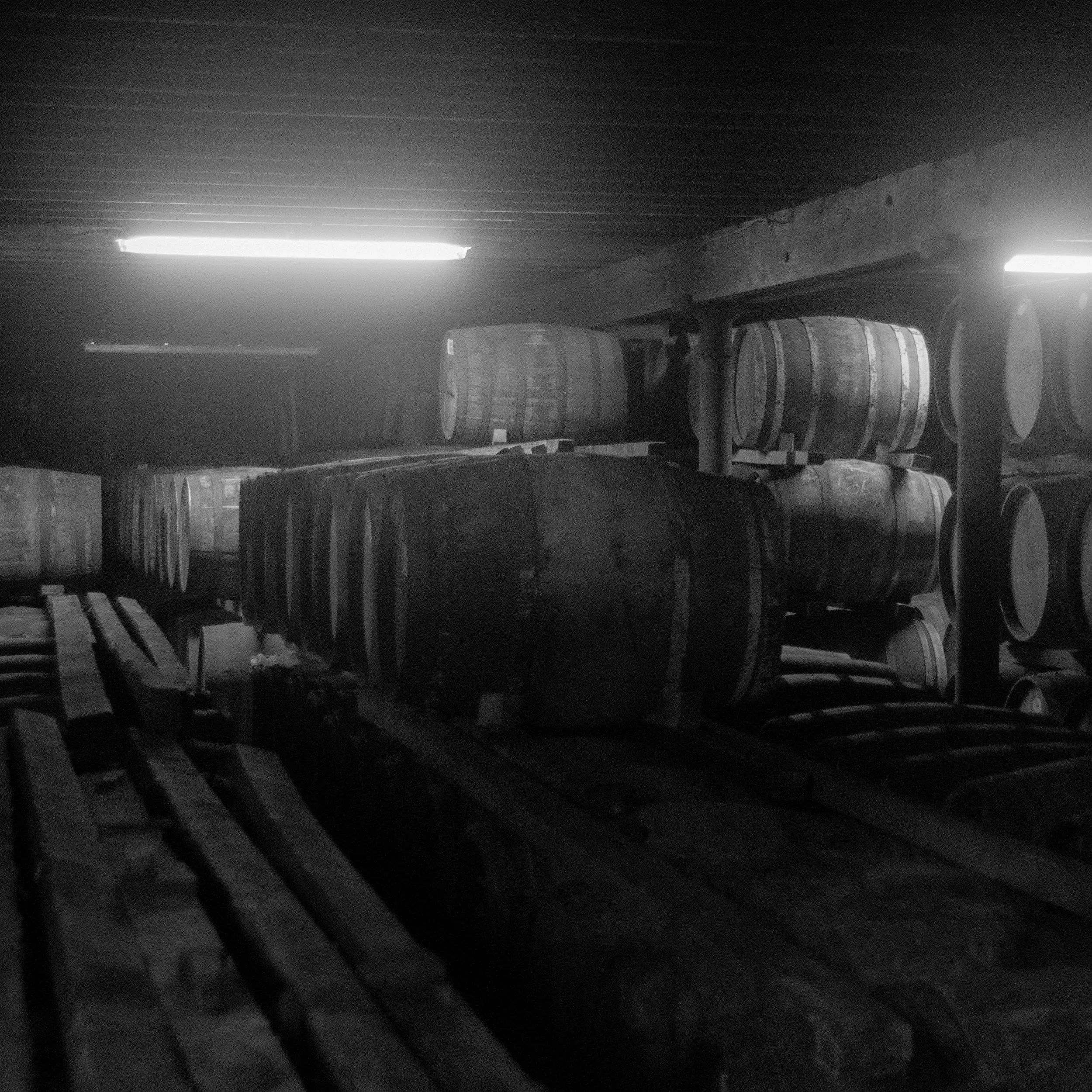
Inside Warehouse No. 5, one quickly notices how different the casks look from those in most Scottish distilleries. Thanks to Mark Reynier’s influence - and later, Rémy Cointreau’s - the warehouse is filled with casks from prestigious French wineries like Mouton, Lafite, and Château d’Yquem. Even like myself not well-versed in wine, those names are dazzling.
Beyond the Whisky
The beauty of Bruichladdich isn’t simply about how good its whisky tastes. It’s about how boldly it challenged the traditions of Scotch whisky itself.
Mark Reynier’s approach was revolutionary - seeking terroir, reshaping identity, innovating flavour, and breaking free from the industry’s obsession with consistency and marketing conformity.
Traditionally, Scotch distilleries prided themselves on maintaining a “Distillery Style” - a consistent flavour profile year after year. Master blenders worked tirelessly to ensure every bottle tasted the same. But Bruichladdich turned that notion on its head. By embracing the diversity of flavour and terroir, they released whiskies that were ever-changing, kaleidoscopic, and exploratory.
Some loved them, some didn’t - but when everyone talked about them, and that, perhaps, is the true mark of success.
Epilogue – The True Beauty of Bruichladdich
To me, Bruichladdich’s success feels like a story of an outsider reinventing tradition. That phrase might sound irreverent, but it’s meant with deep admiration.
To disrupt a conservative industry takes extraordinary courage, vision, and conviction - and often, the willingness to face harsh criticism. Looking back now, it’s clear that Mark Reynier chose the right path; His influence can be seen across both new and established distilleries that have since followed in Bruichladdich’s footsteps.
And among all the distilleries I’ve visited in Scotland, I’ve rarely seen a team so confident, passionate, and proud of their work as those at Bruichladdich.