The Faith in the Cask, GlenAllachie
Writing about GlenAllachie is by no means an easy task for me. As a devout lover of Islay whiskies, I have always felt somewhat lacking in an emotional connection with the 'good boys' of Speyside. Moreover, GlenAllachie is a relatively young distillery by Scottish standards, having been built in 1967. Compared to many century-old distilleries, information here is relatively transparent, modern, and clear. It lacks those dramatic, soap-opera-like feuds and historical rivalries between brother distilleries, missing perhaps a touch of theatrical intrigue.
GlenAllachie is, quite simply, might be just a distillery.
Established in 1967…
GlenAllachie was funded by Mackinlay, McPherson & Co. (a subsidiary of the Scottish & Newcastle Breweries group) and designed by the architect William Delmé-Evans. It shares a tight, sisterly bond with the Jura Distillery. According to an interview, when Jura was being built, Delmé-Evans was actually one of its shareholders. However, once that distillery was completed, in order to secure suitable distribution channels, he exchanged part of his shares in Jura for Mackinlay’s capital and distribution network.
The birth of the distillery stemmed from the Mackinlay group's desire to establish a production site in Speyside. They commissioned Delmé-Evans, a shareholder, to oversee its creation. He personally scouted the area to find the perfect plot of land. Delmé-Evans’s logic for choosing a site was identical to his previous distillery projects: water always comes first. Two miles northeast of the current site, he discovered a small burn called Damheads flowing down from Ben Rinnes. He chose this exact location for GlenAllachie, and to this day, the Damheads burn is still used by the distillery for mashing and cooling.
The name GlenAllachie itself derives from the Scottish Gaelic Gleann Aileachaidh, which translates roughly as the "Valley of the Rocks".
For Delmé-Evans, a staunch proponent of functionalism, this wide-open terrain provided the ultimate canvas to realize his design and vision for a "gravity-fed system". He wanted to reduce the reliance on pumps within the GlenAllachie distillery, allowing liquids to flow naturally to different stages of production purely through the gradient of the land. This not only saved energy but, more importantly to Delmé-Evans, an over-reliance on mechanical pumps would bruise and destroy the delicate, natural beauty of the spirit.
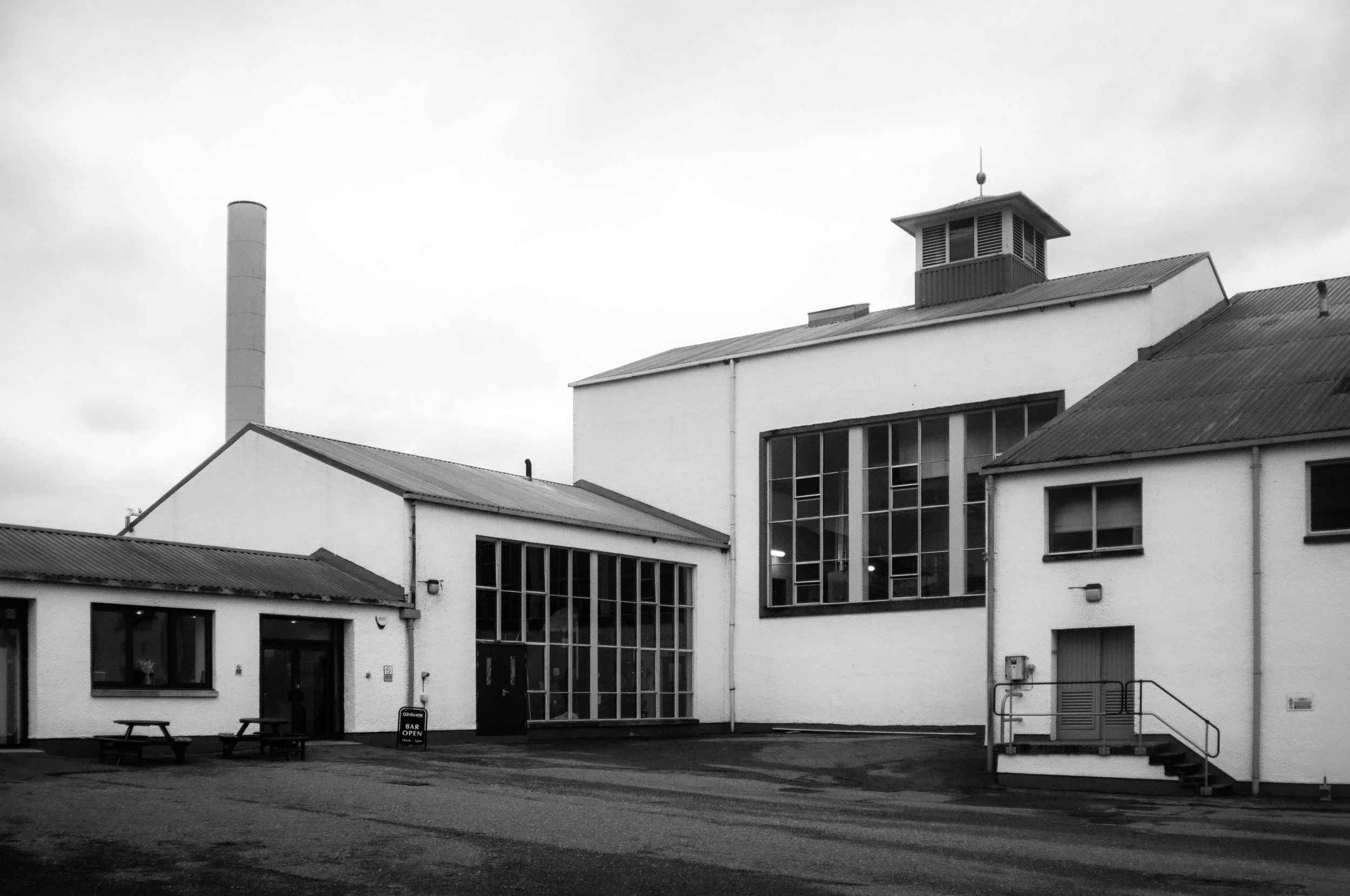
Consequently, one notices that compared to Victorian-era distilleries of old, the interior of GlenAllachie boasts exceptionally open spaces and clean lines of movement. This, combined with the massive glass windows installed by Delmé-Evans, allows natural light to flood into the building. It lends GlenAllachie an airy, modern, and pristine sense of space. Even after decades of weathering the seasons, the distillery’s interior remains orderly, bright, spacious, and entirely timeless.
After weathering the golden age of whisky in the 1960s and 1970s following its founding, the industry began to face hardships in the 1980s. In 1985, GlenAllachie was acquired by the Invergordon Distillers group along with its parent company. However, as the demand for whisky slumped, excess capacity prompted the group to mothball GlenAllachie—which then had an annual capacity of 4 million litres—in 1987. It was during this period that the French giant Pernod Ricard stepped in, seeking to boost the blended whisky production of its subsidiary, Campbell Distillers. Thus, in 1989, they brought GlenAllachie under their wing.
During the 28 years spanning 1989 to 2017, GlenAllachie contributed countless amounts of its single malt to the group’s Clan Campbell and Chivas Brothers blends. It was a vital, unsung hero in driving Clan Campbell to become the top-selling whisky in France in 2007.
Then, in 2017, GlenAllachie underwent another transformation.
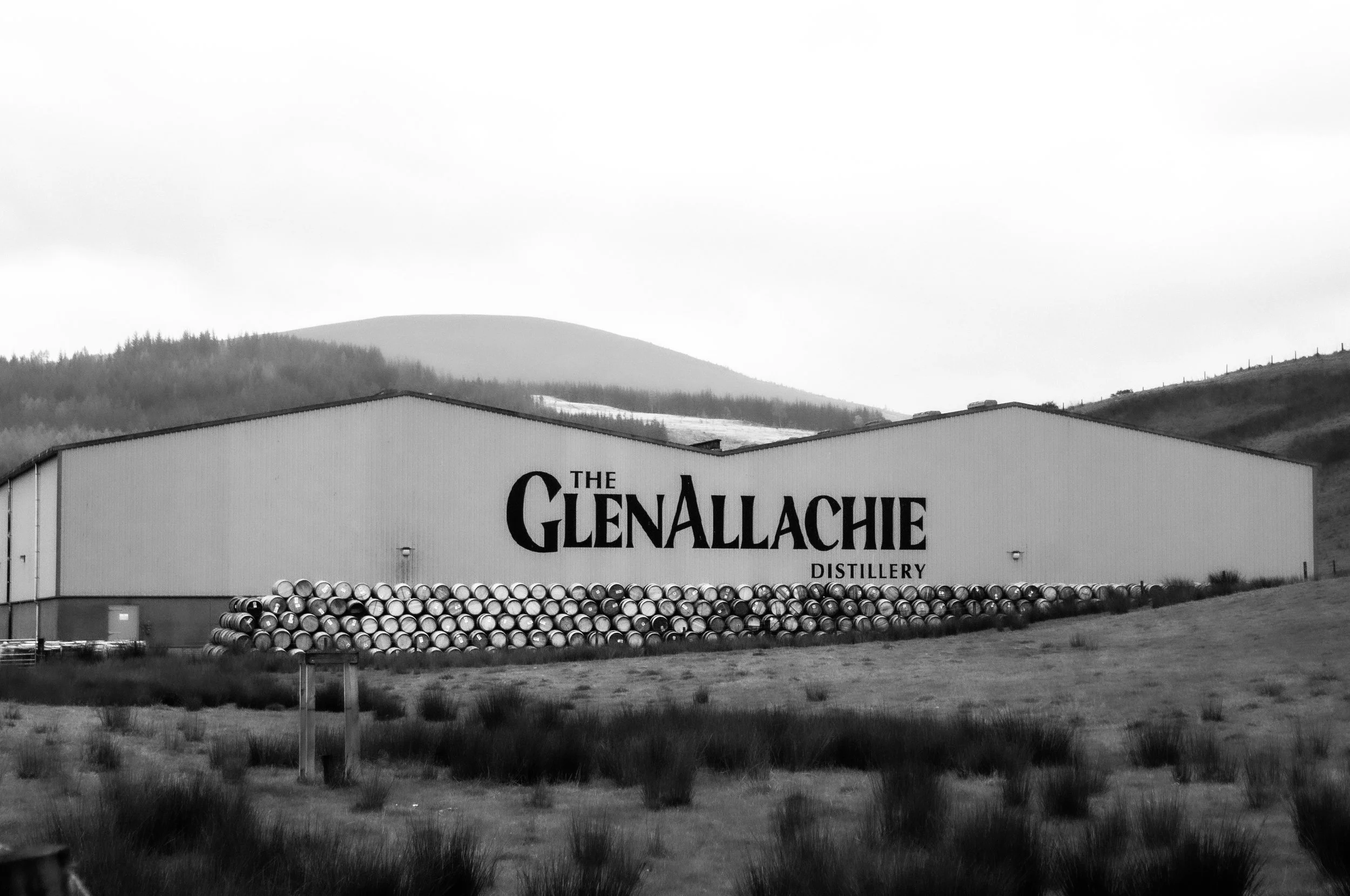
Billy Walker—a household name among whisky enthusiasts—and his consortium, The GlenAllachie Distillers Company Ltd., acquired ownership of the distillery. To be frank, I wasn’t intimately familiar with this master distiller initially; I only knew that as a chemist by trade, he possessed a Midian touch in the Scotch whisky industry, having successfully resurrected distilleries like BenRiach and GlenDronach from the ashes.
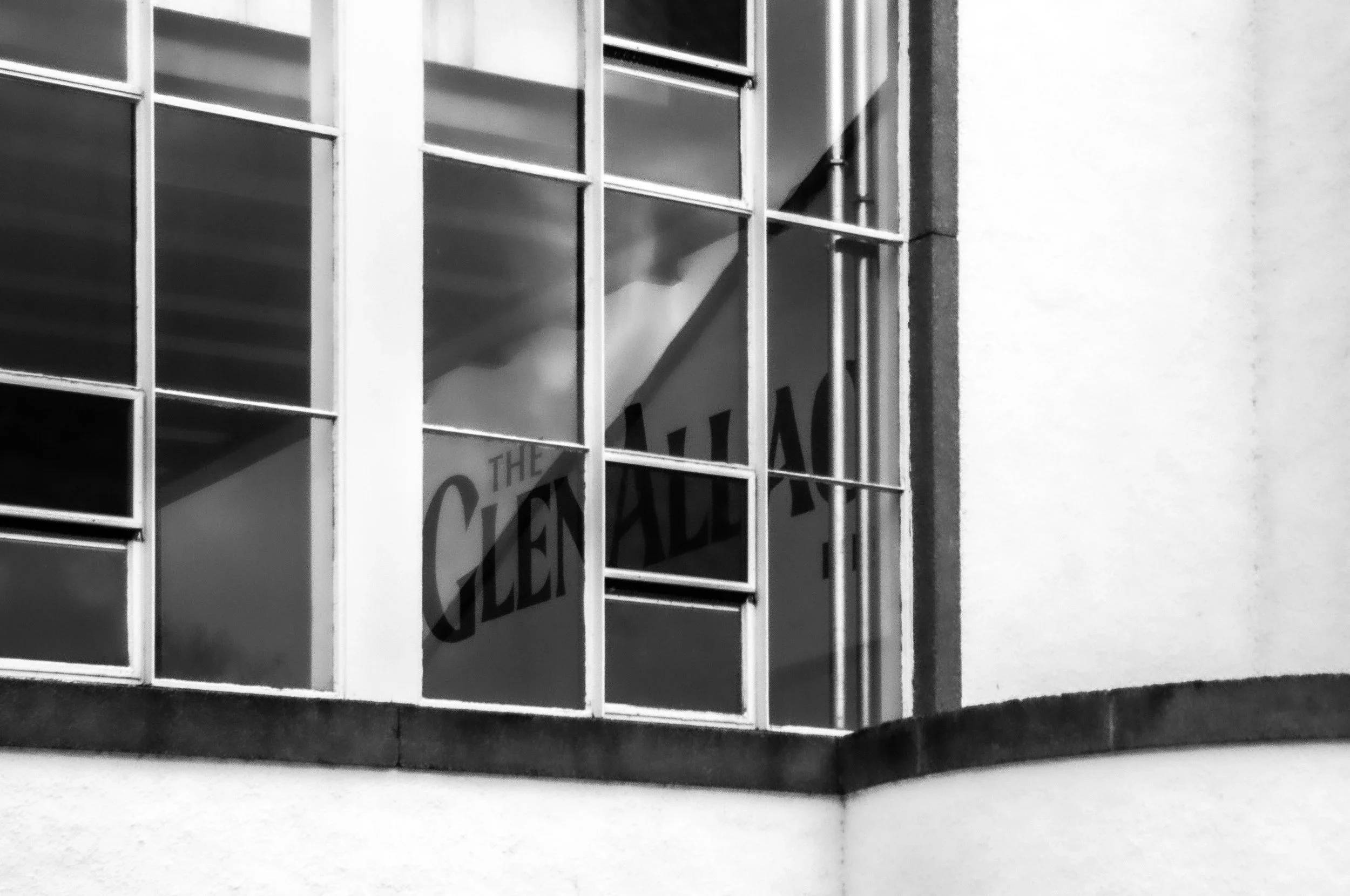
Upon taking the reins, Billy Walker’s first task was to refresh the brand's name. In his signature style, he capitalized the "A" in Glenallachie to create "The GlenAllachie". Walker believed that past spirits giants, for the sake of convenience, had run these ancient place names together into lowercase, which blurred their original meanings. He deliberately capitalized the letters to restore the etymological roots. In Gaelic, "Glen" means valley, and "Allachie" refers to rocks or a stony place. By changing it to a capital "A", people can immediately see "Glen-Allachie", perfectly representing its original meaning: the "Valley of the Rocks". This beautifully highlights the local terroir and reflects Walker’s deep understanding of Gaelic and his cultural respect for Scotland.
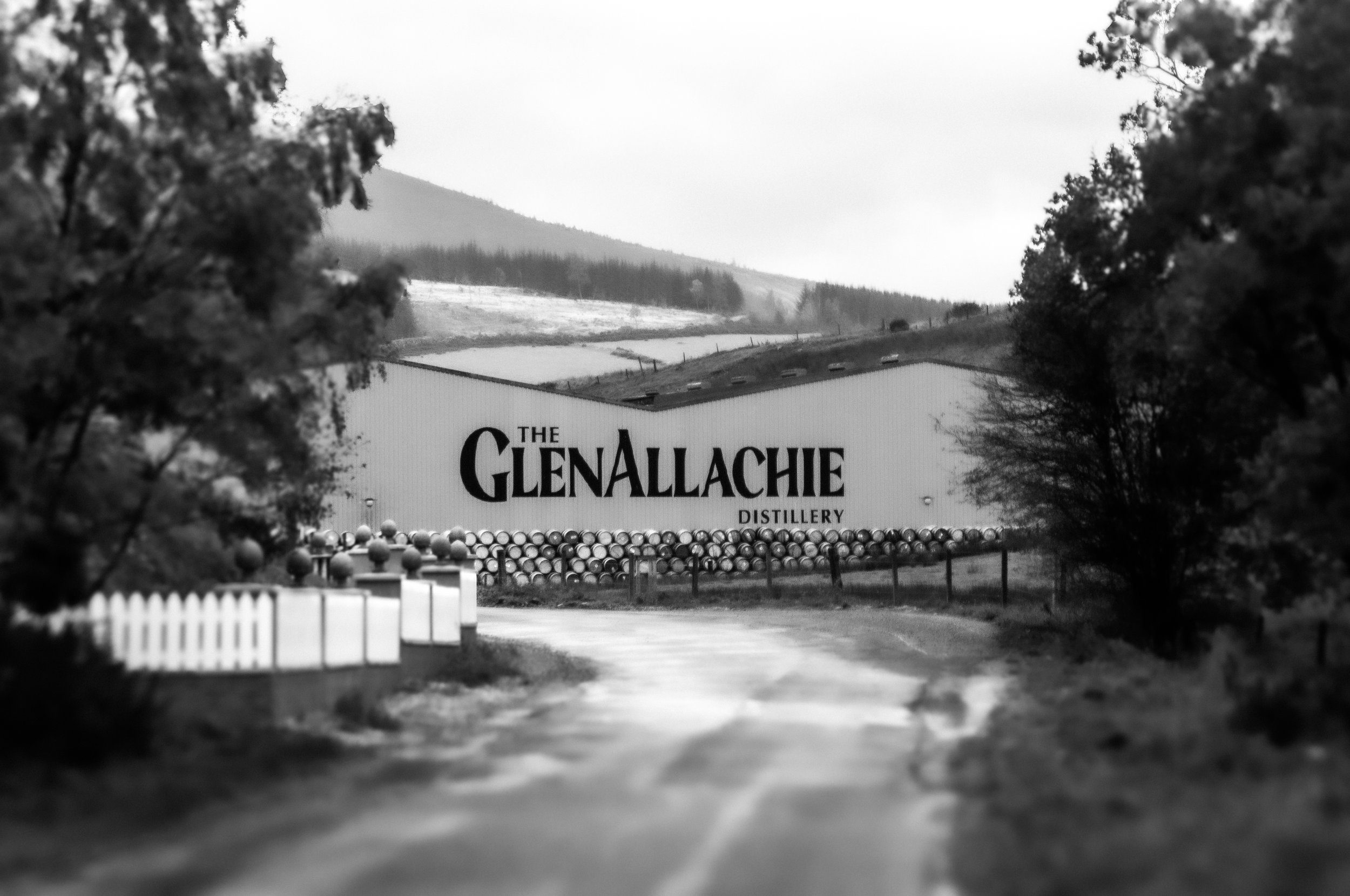
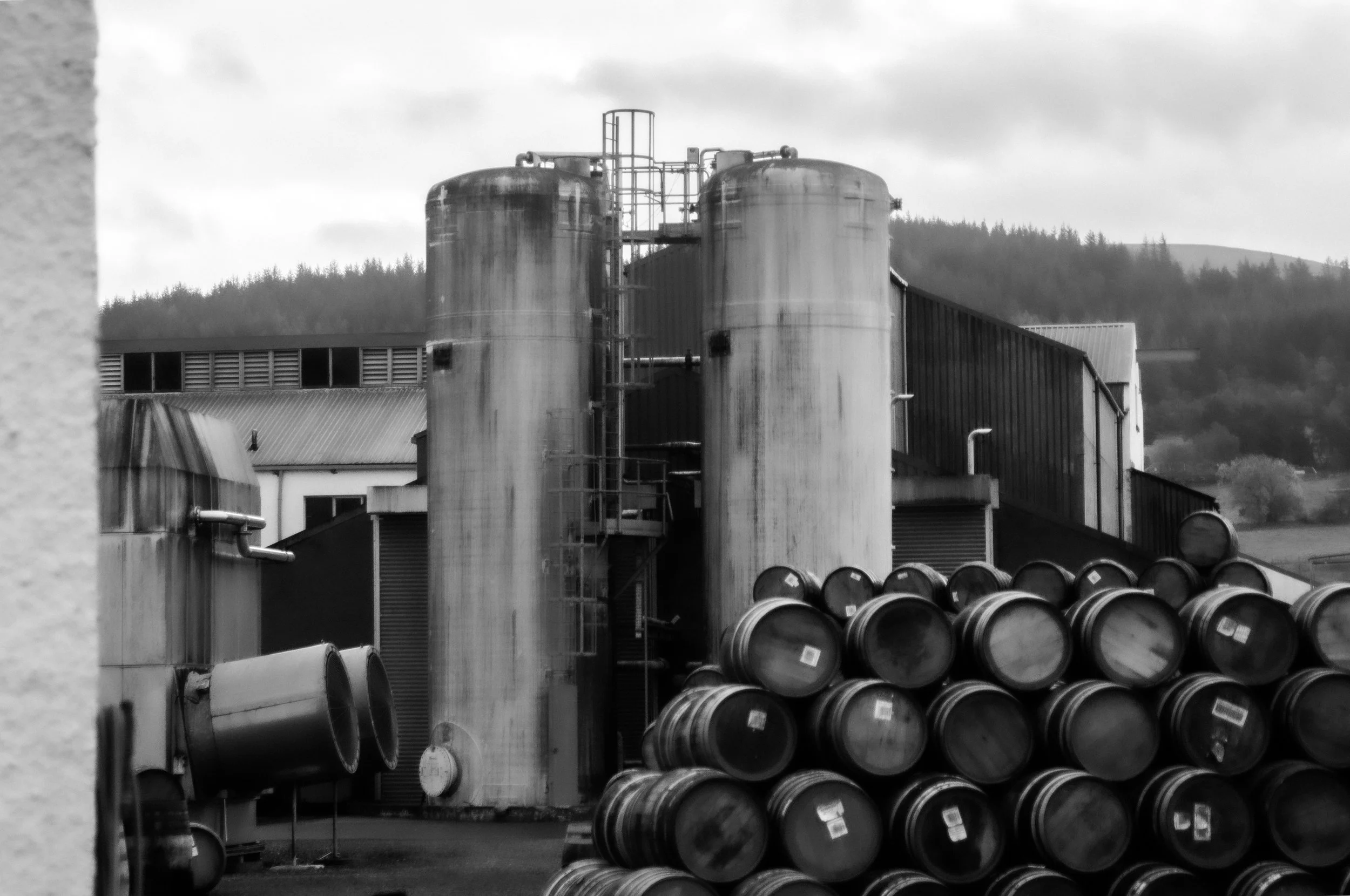
Of course, beyond the grand gesture of correcting the distillery's name, the master distiller made sweeping overhauls to the production process. He slashed the annual production volume from 4 million litres to just 1,000,000 litres. The sole objective was to dramatically extend the fermentation time from 52 hours to an astonishing 163 hours, allowing time to create a wash that is richer in esters and bursting with deep, fruity aromas.
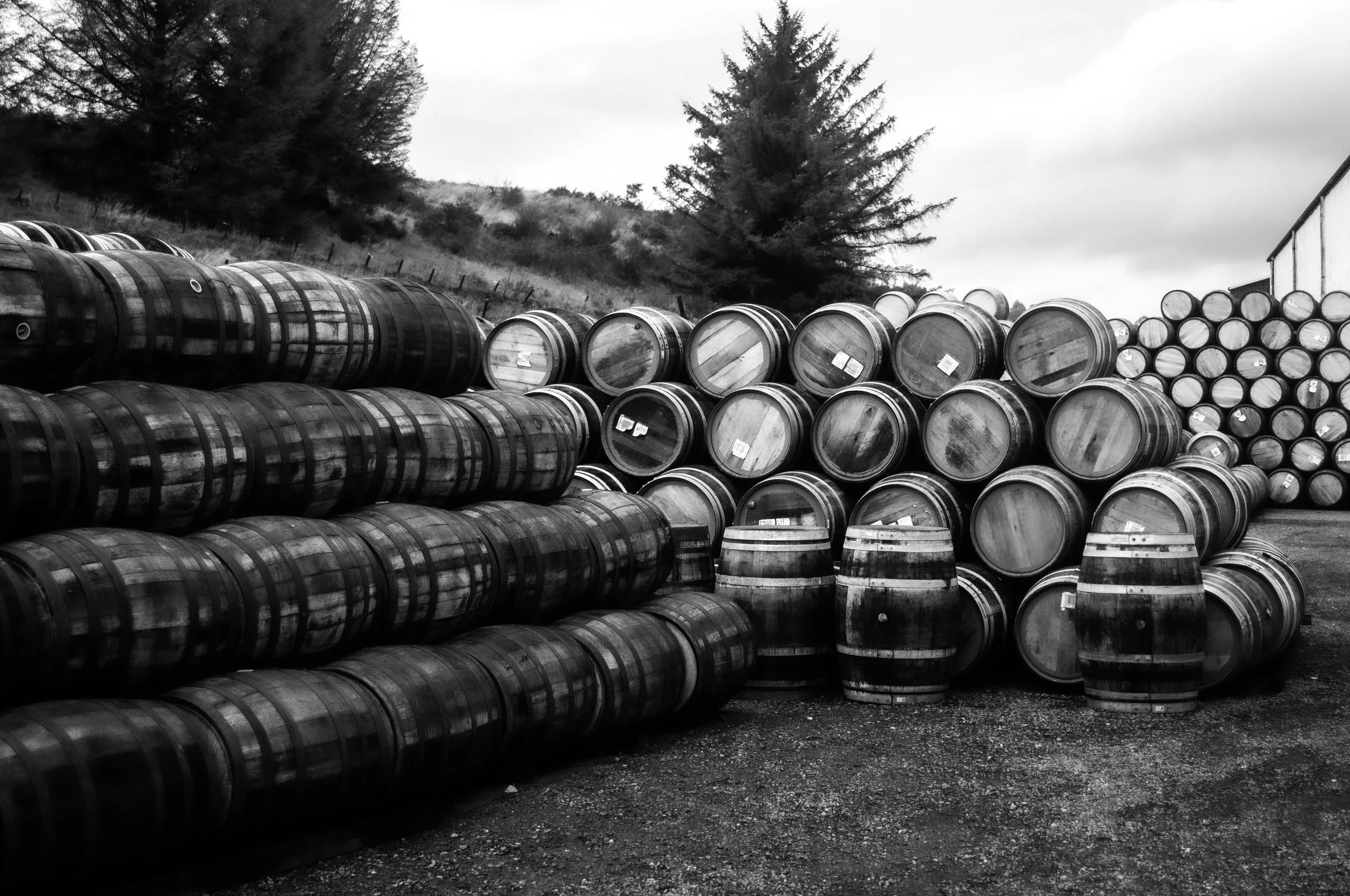
Simmering alongside this was his global quest for premium oak casks. Under Chivas Regal’s management, the casks at Glenallachie were predominantly refill Bourbon barrels. While there is certainly nothing wrong with maturation in Bourbon barrels, large conglomerates naturally prioritize consistency of flavour and wood costs above all else. However, once the distillery fell into Billy's hands, GlenAllachie became the crown jewel of his portfolio. Naturally, no expense was spared in bringing top-tier wood to the warehouses. He sourced bespoke Pedro Ximénez and Oloroso Sherry casks from the José y Miguel Martín cooperage family in Jerez, Spain; Chinquapin oak from Missouri, USA; and Virgin Oak made from French Quercus robur grown in Haute-Garonne, Tronçains, and Allier, as well as Spanish Quercus robur from Galicia. This was complemented by wine casks from world-renowned estates, including Grattamacco from Italy, and Château Margaux, Château Coutet, and Château Grillet from France.
These casks, gathered from all corners of the world, can be summed up in a single word: "unique". They differ vastly in terms of wood origin, terroir, and treatment, resulting in wood profiles that are incredibly distinct, fascinating, and complex to manage. From liquorice, gingerbread, spices, dark chocolate, and roasted nuts, to dried dates, tannins, pudding, oakiness, coconut, cinnamon, nutmeg, berries, strawberries, leather, earth, floral notes, honey, apricot, ginger, and melon—these singular aromas are endless. Leveraging his background as a chemist, Billy deconstructs and reassembles these complex, troublesome flavour combinations. It is as if he is working magic on these challenging casks, conjuring up one uniquely characterful expression after another.
Stepping inside the distillery today...
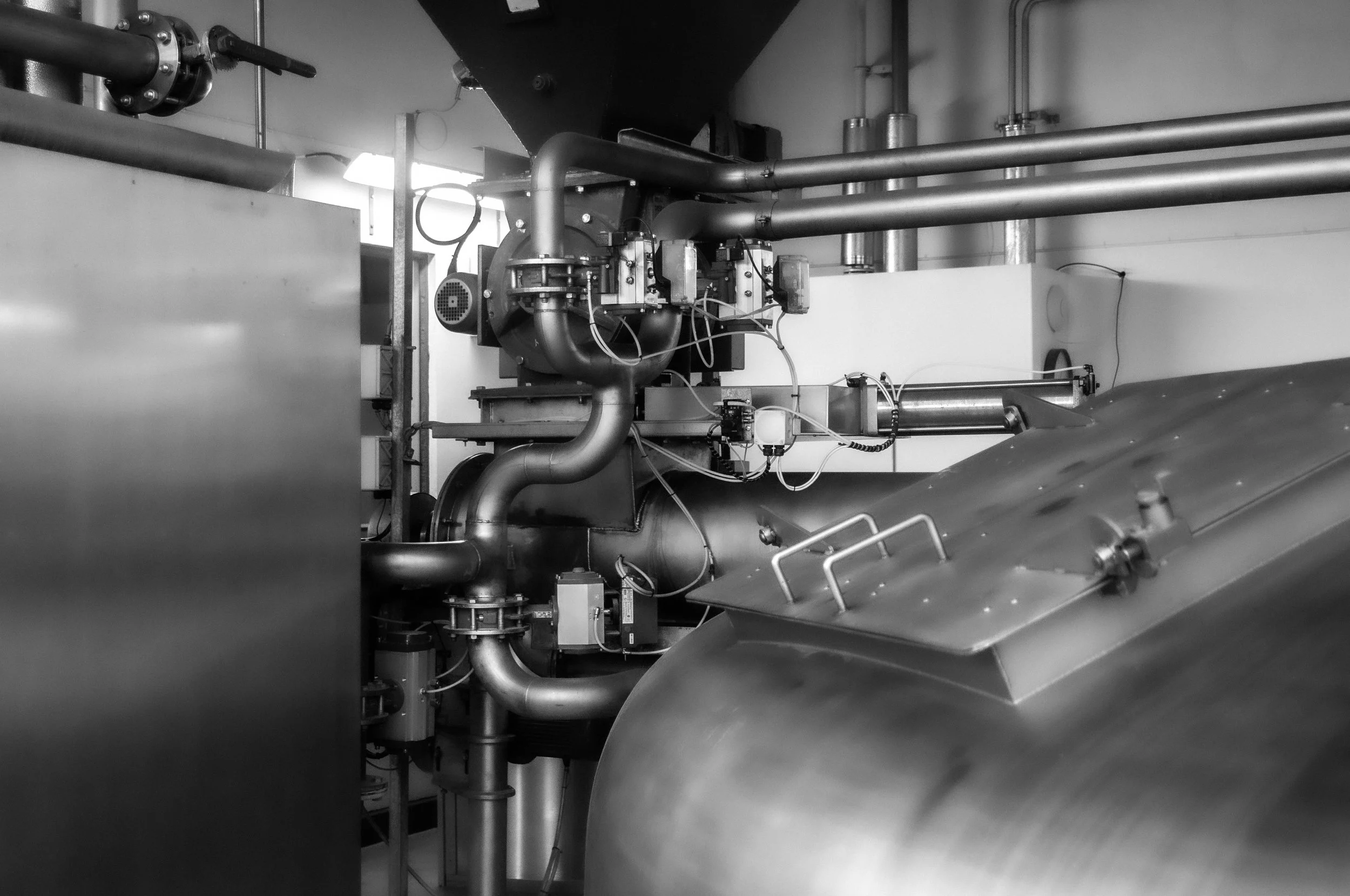
The interior is bright, spotless, and as clean as a laboratory—a trait that perhaps harkens back to Billy Walker’s background as a chemist. The air inside is constantly thick with an intriguing, rich aroma of dried dates, figs, and a savory note akin to pork broth. According to Sue, our tour guide, GlenAllachie's annual output is currently restricted to around one million litres, a massive reduction from the four-million-plus litres of the past. Out of this, 90% is unpeated, while the remaining 10% is peated. For their peated spirit, they choose highland peat from Aberdeen, which imparts a profile rich in forest floor, wild mushroom, and moss-like notes.
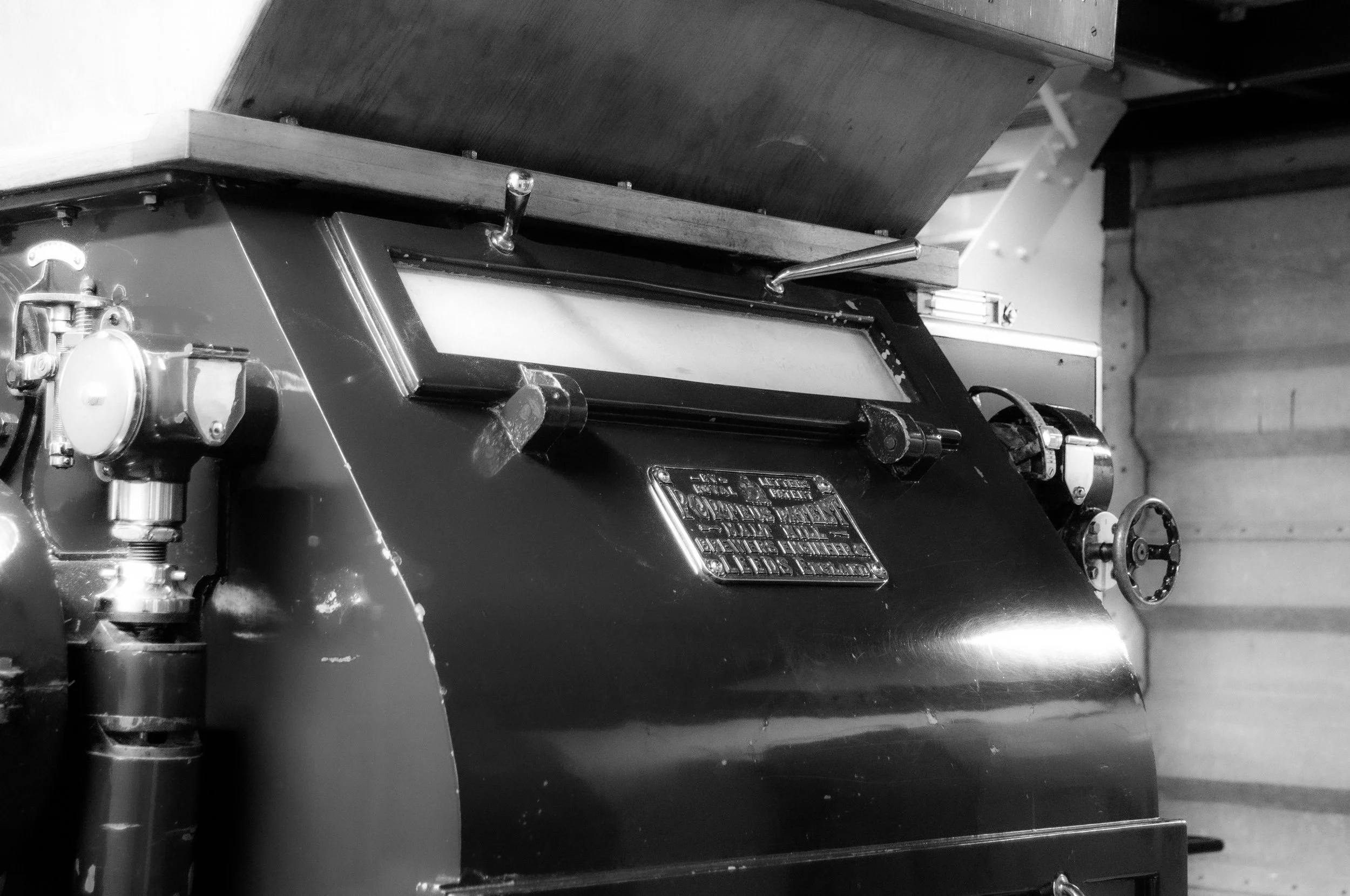
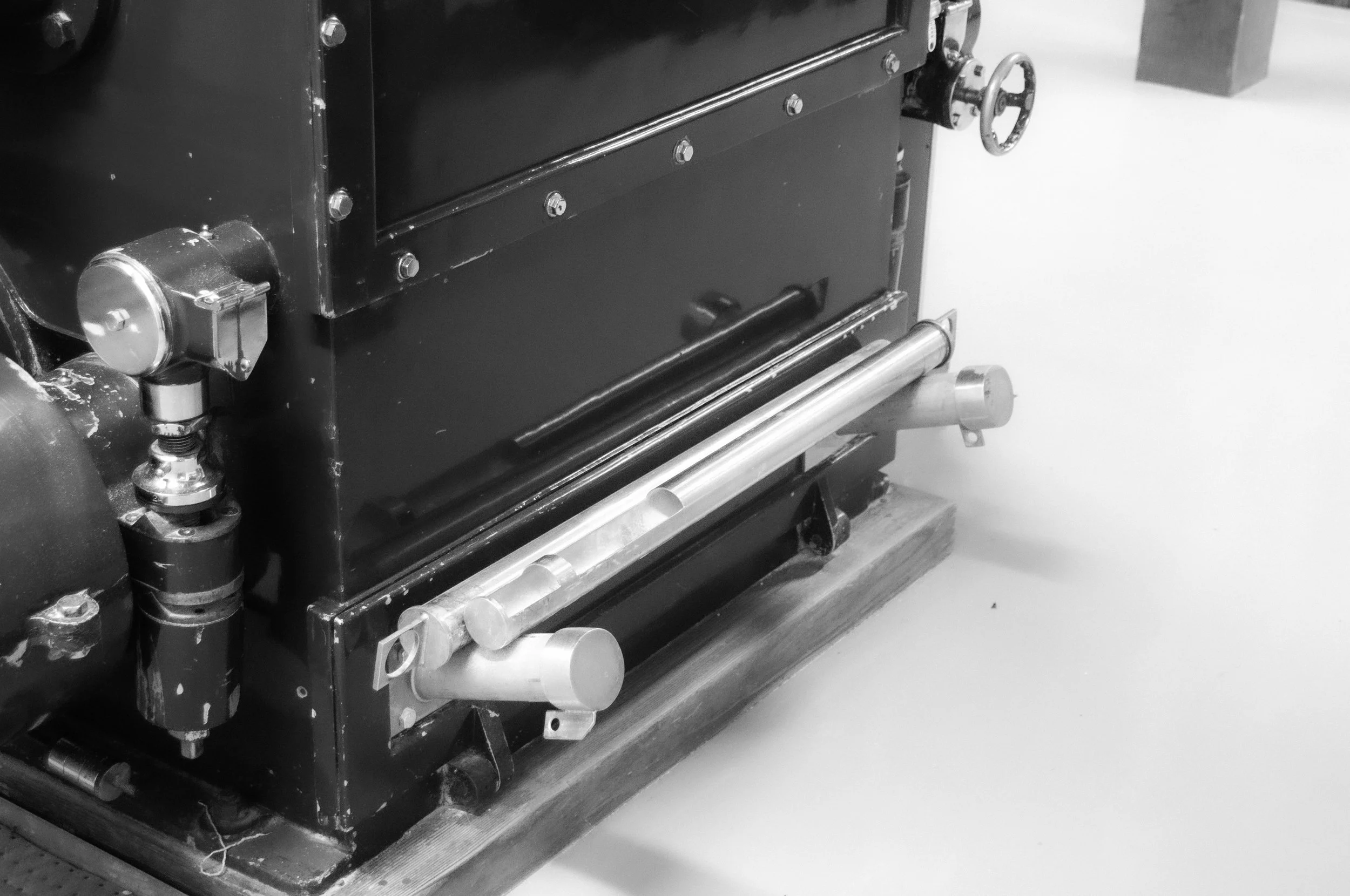
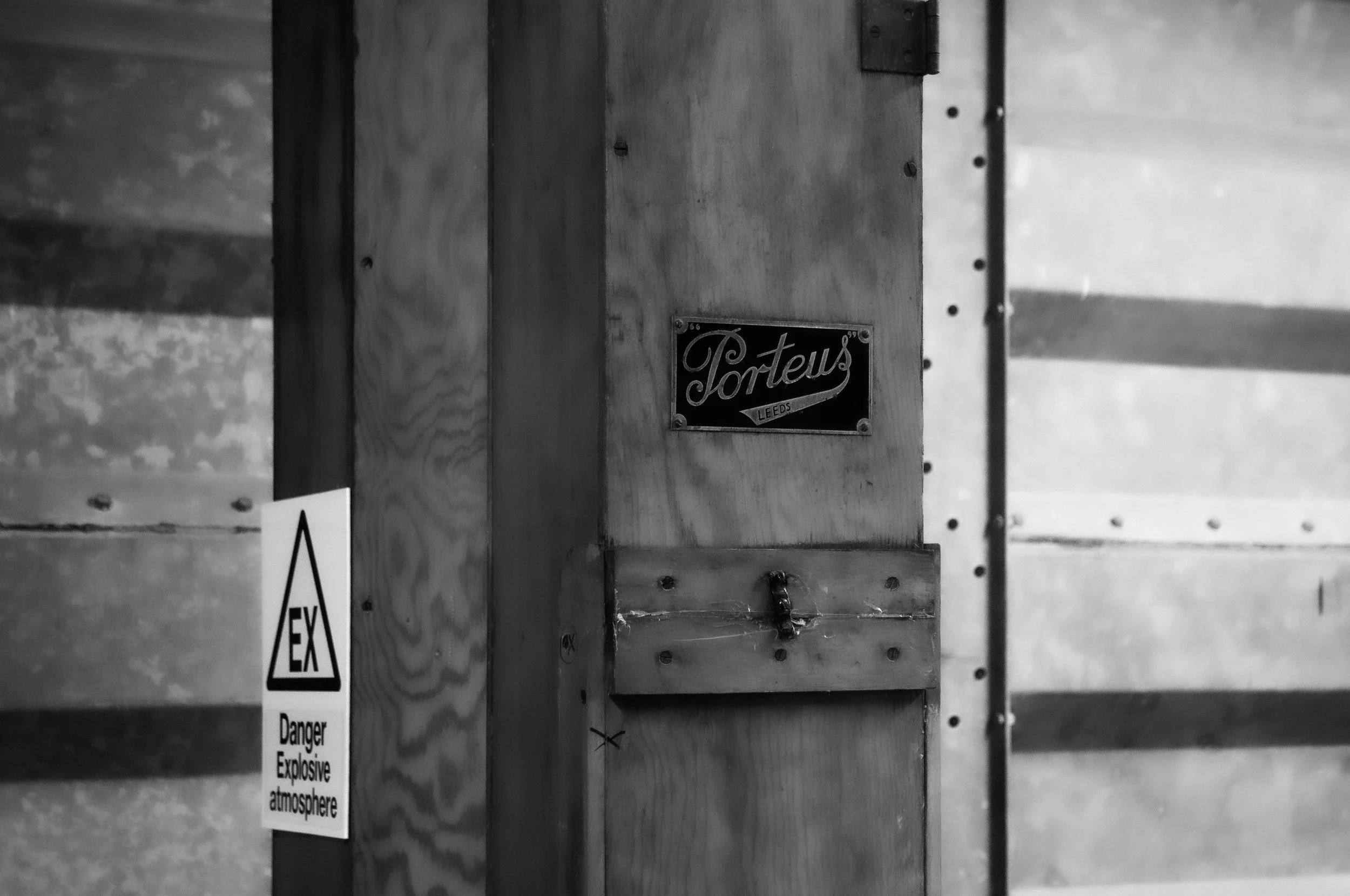
GlenAllachie currently houses a brilliant vermilion Porteus malt mill dating back to 1967. Compared to the century-old mills found in other distilleries, this machine is distinctly "young". The grist ratio follows the standard industry blueprint: 70% grits (husks/hearts), 20% husk, and 10% flour—what I like to call the 7:2:1 milling ratio. The mash house features a 9.4-tonne stainless steel Semi-Lauter Mash Tun. The mashing process takes about 5 hours using four waters. To achieve a "Super Clear Wort", GlenAllachie draws off the liquid at a very slow pace. This intentional slow draw reduces the presence of solid particles and lipids during mashing, resulting in a beautifully clear wort that yields intense tropical fruit and floral characteristics.
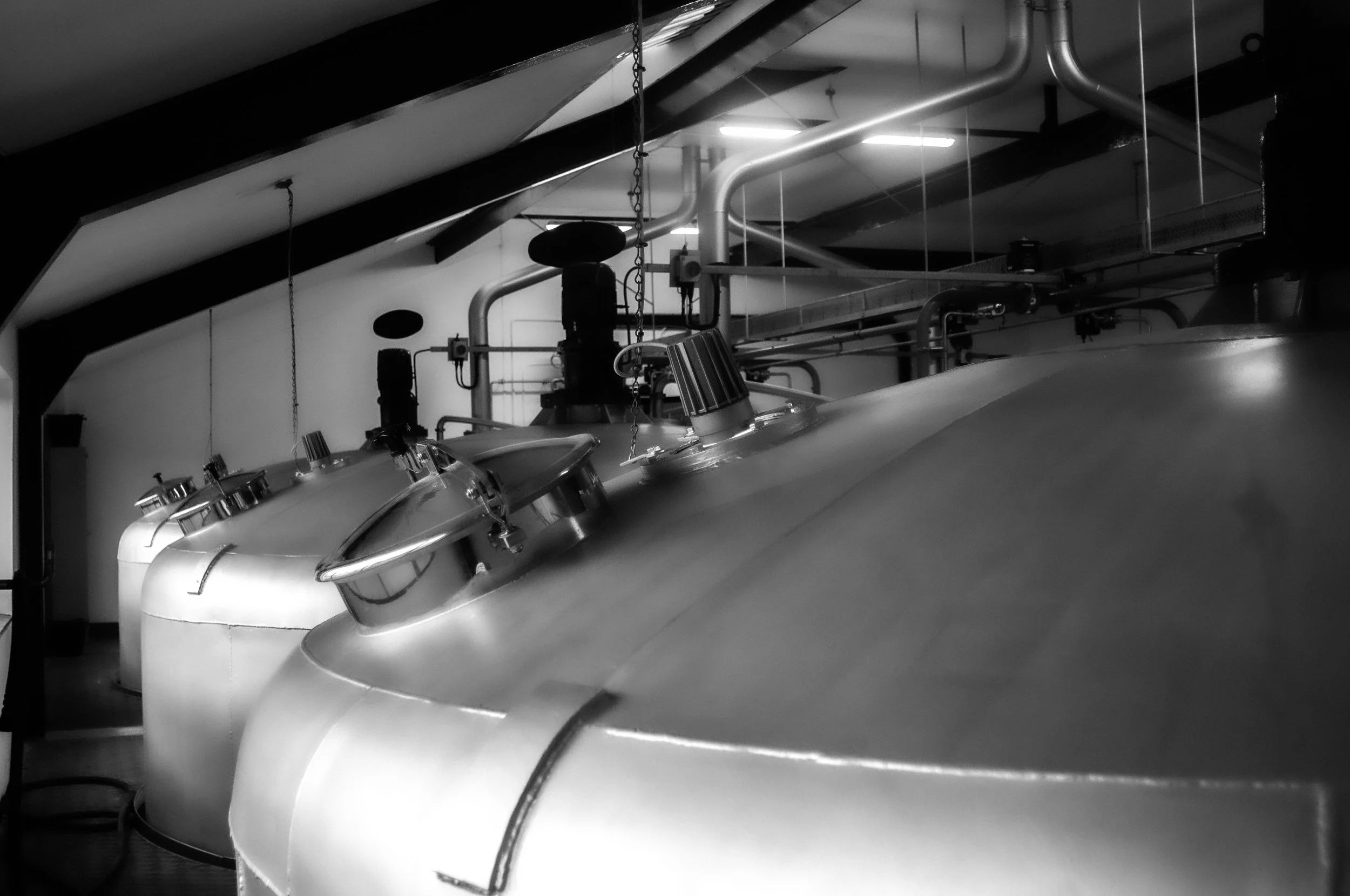
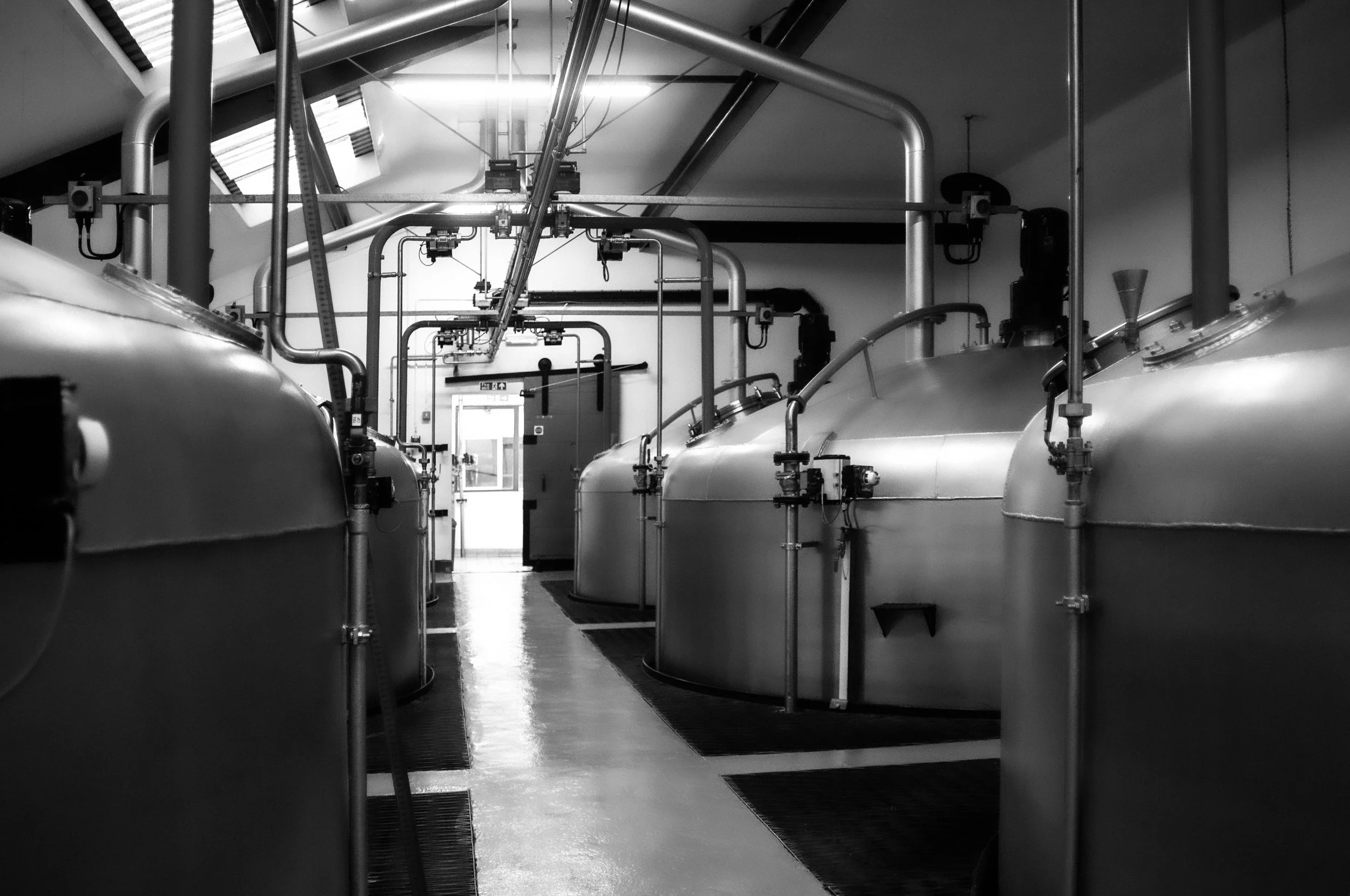
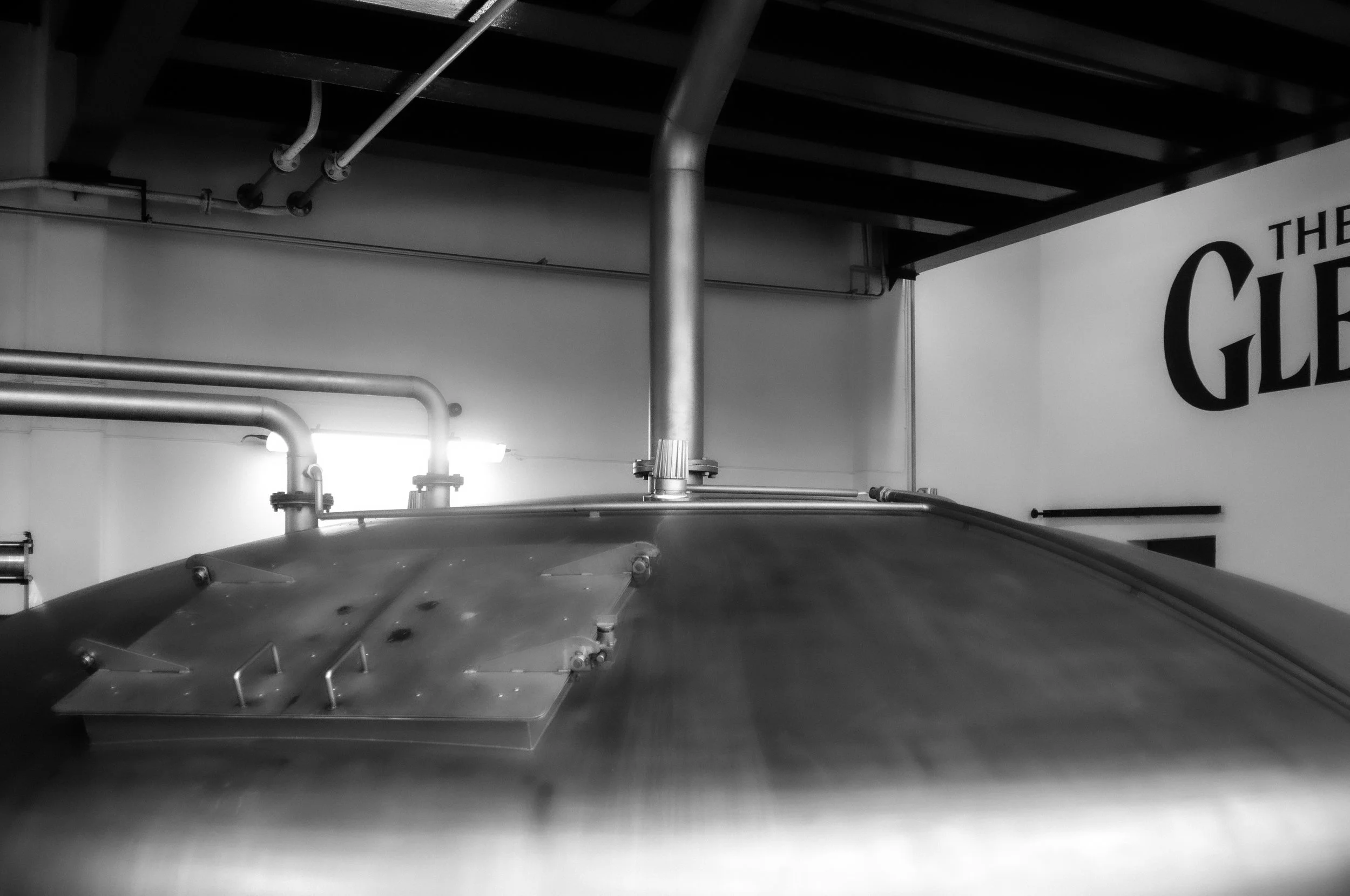
The distillery currently operates six stainless steel washbacks, each with a capacity of roughly 55,000 litres. Their surfaces are buffed to a mirror-like shine. If you want a comparison, think of Springbank—the two are polar opposites. Each fill is about 42,500 litres, and the lengthy 163-hour fermentation transforms the clear wort into a wash with a high ester content and a rich, fruity character at around 9% ABV.
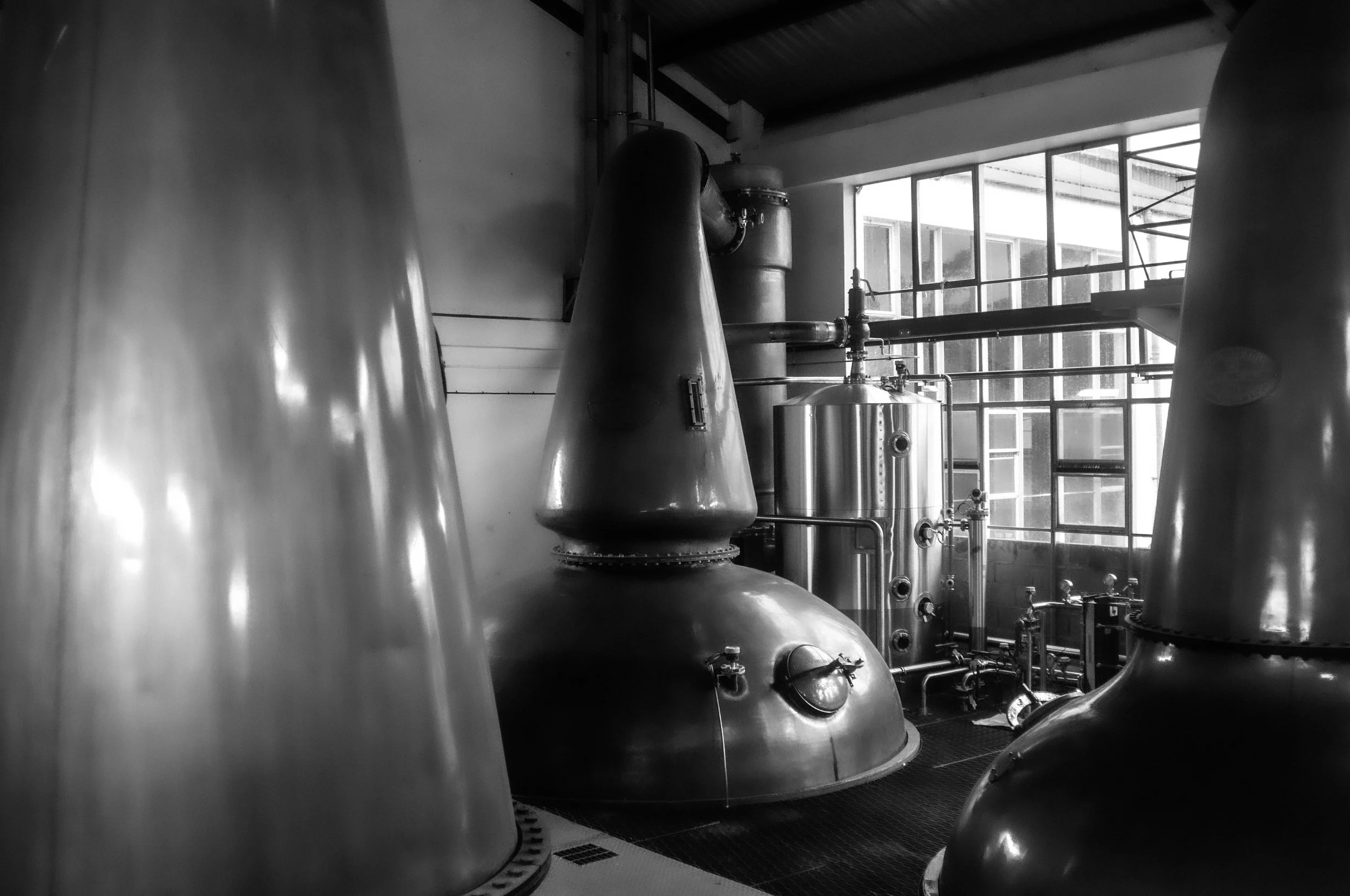
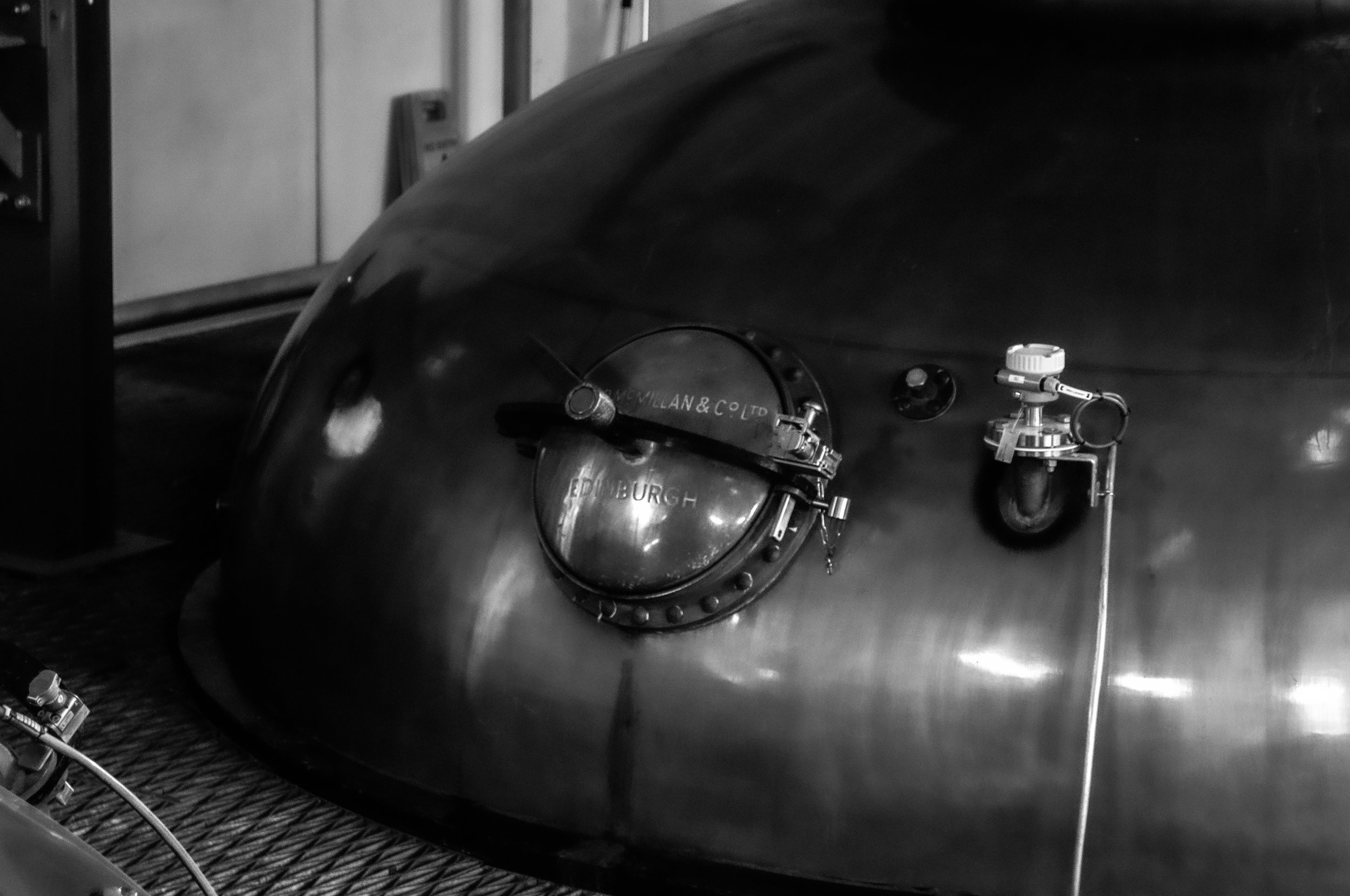
In the still house, GlenAllachie retains a traditional 2+2 still configuration: a pair of lantern-shaped Wash Stills with a capacity of roughly 36,300 litres, and a pair of onion-shaped Spirit Stills (Low Wine Stills) with a capacity of around 23,900 litres. Although the shapes of the two sets differ slightly, their short, squat, and massive proportions are remarkably similar, commanding a powerful presence in the still house.
Beyond this, what strikes me as the most peculiar feature is undoubtedly the shell-and-tube condensers connected to the Spirit Stills, which are mounted horizontally. This design dates back to William Delmé-Evans’s original 1967 layout, originally conceived to save space. It was only in 2025 that Billy Walker finally dismantled the horizontal condenser on the Wash Still side to install a Mechanical Vapor Recompression (MVR) system to meet modern carbon reduction and energy efficiency standards, replacing it with a vertical condenser required by the MVR system.
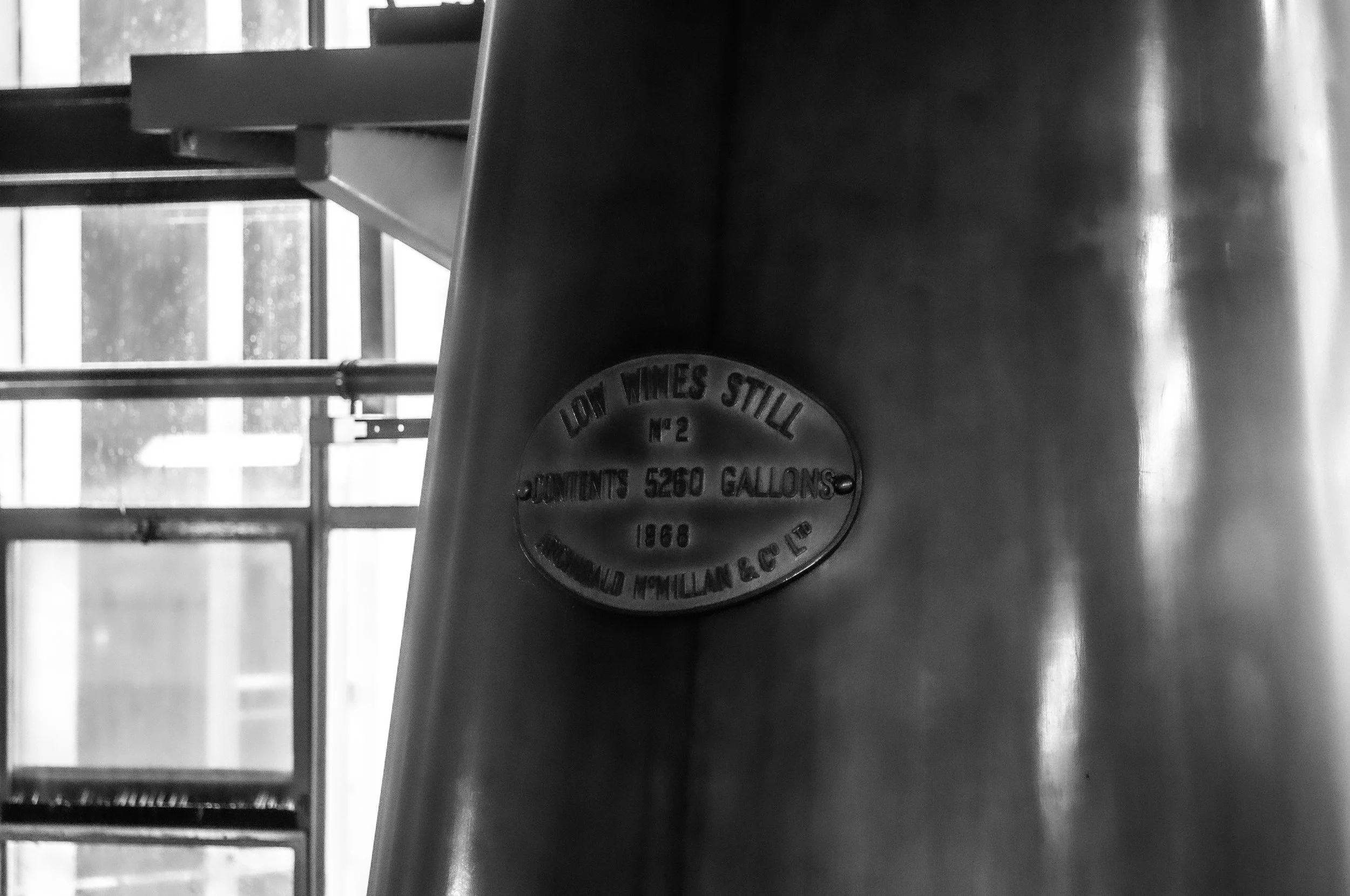
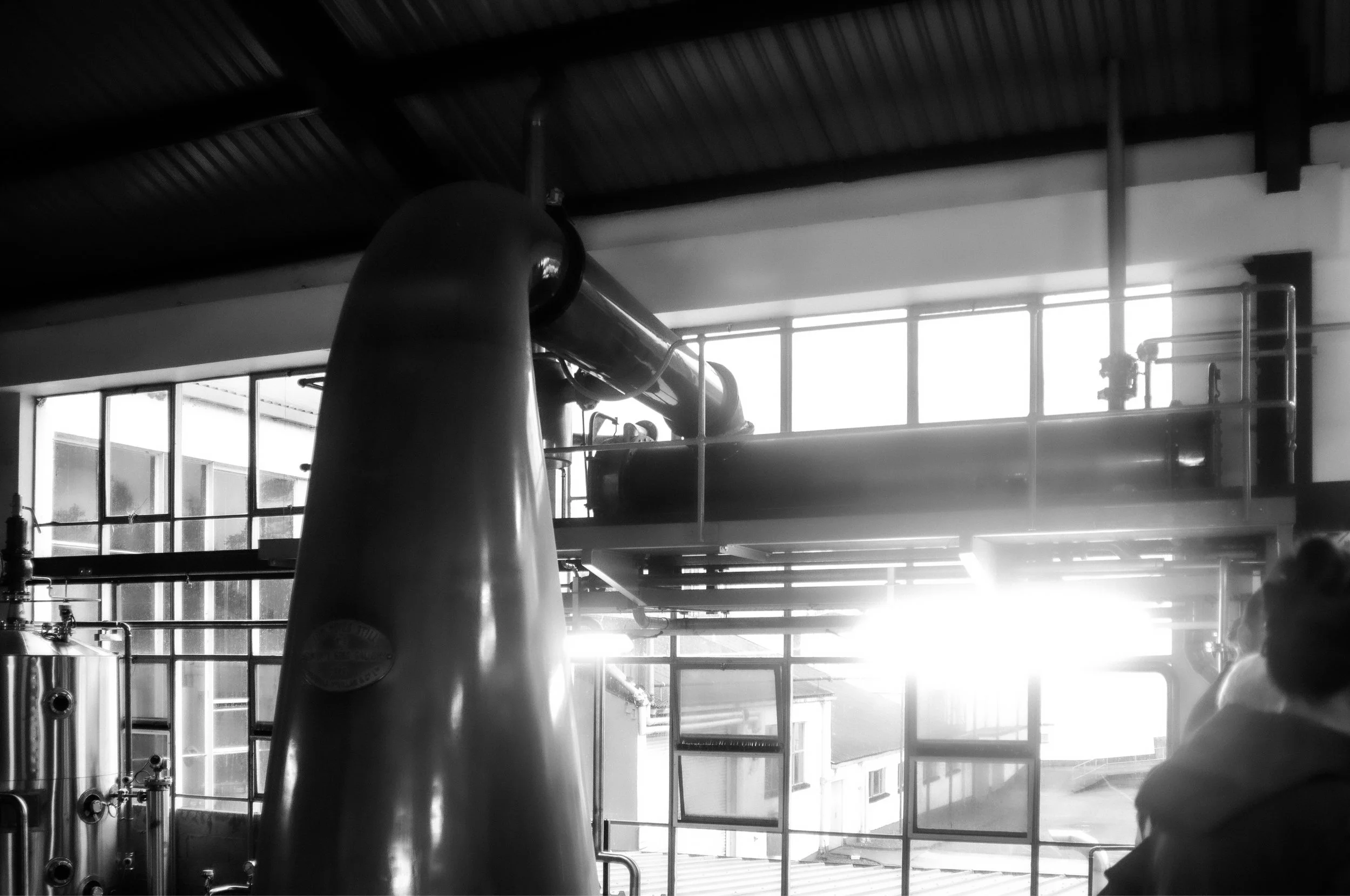
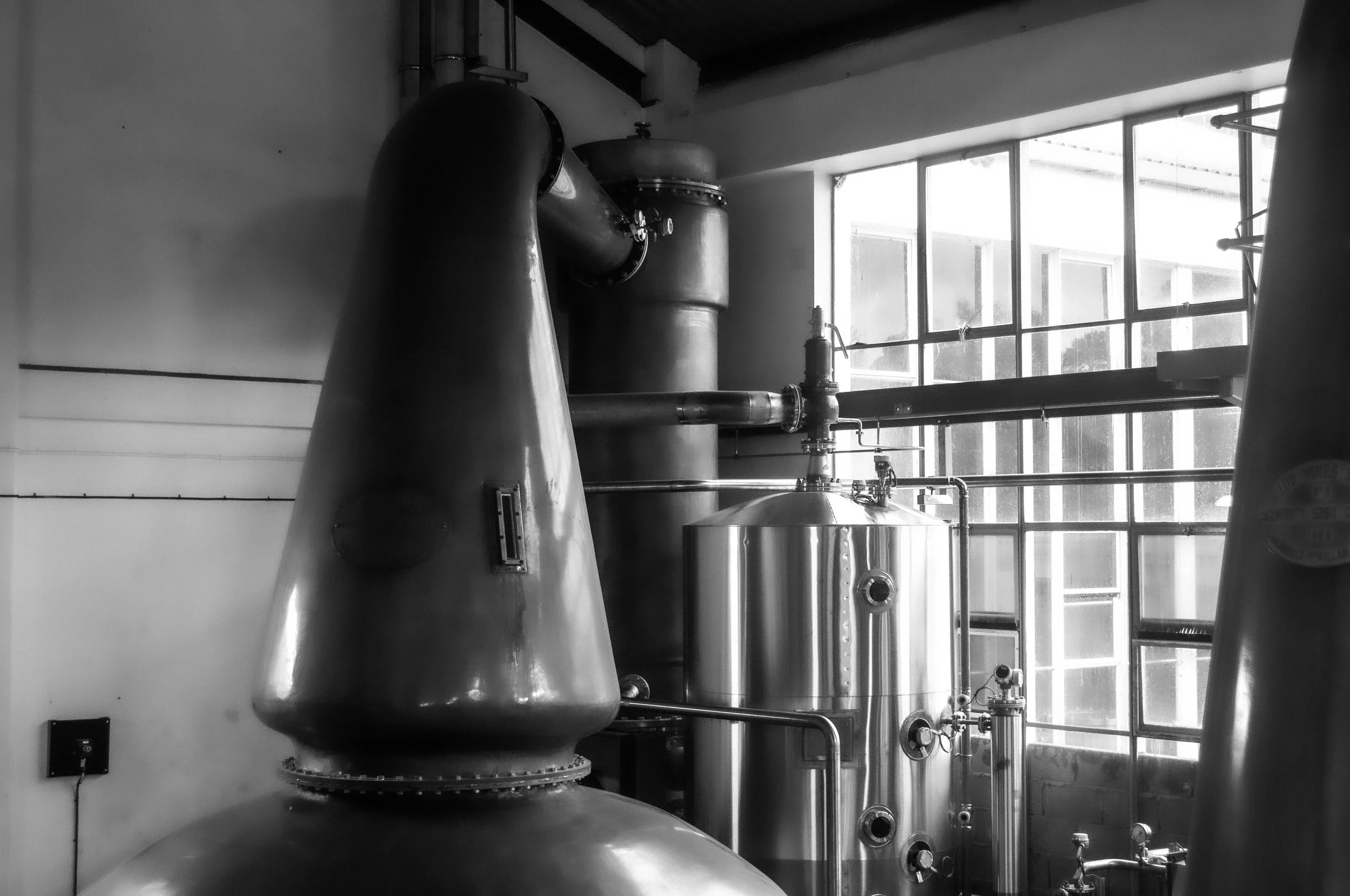
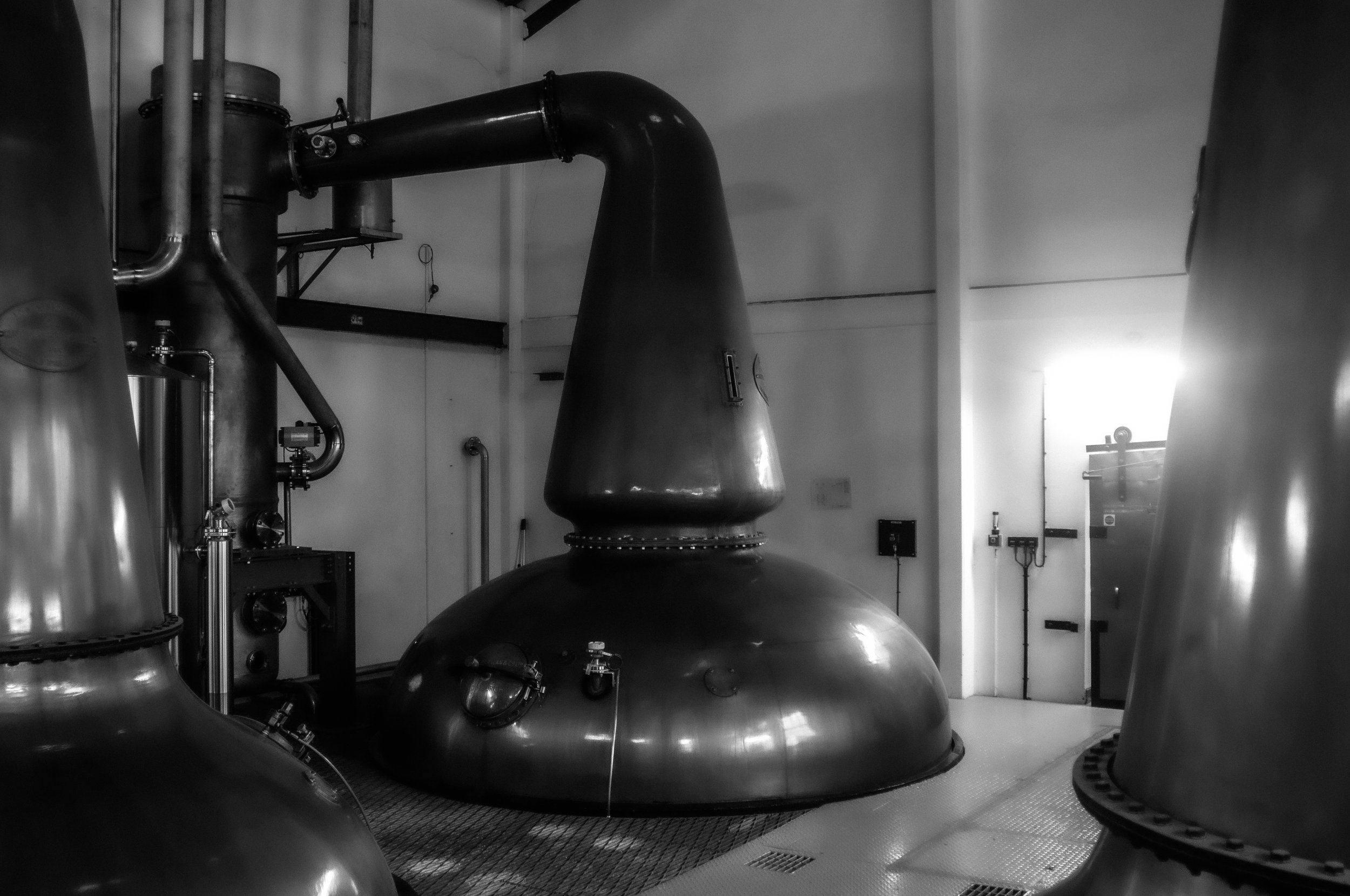
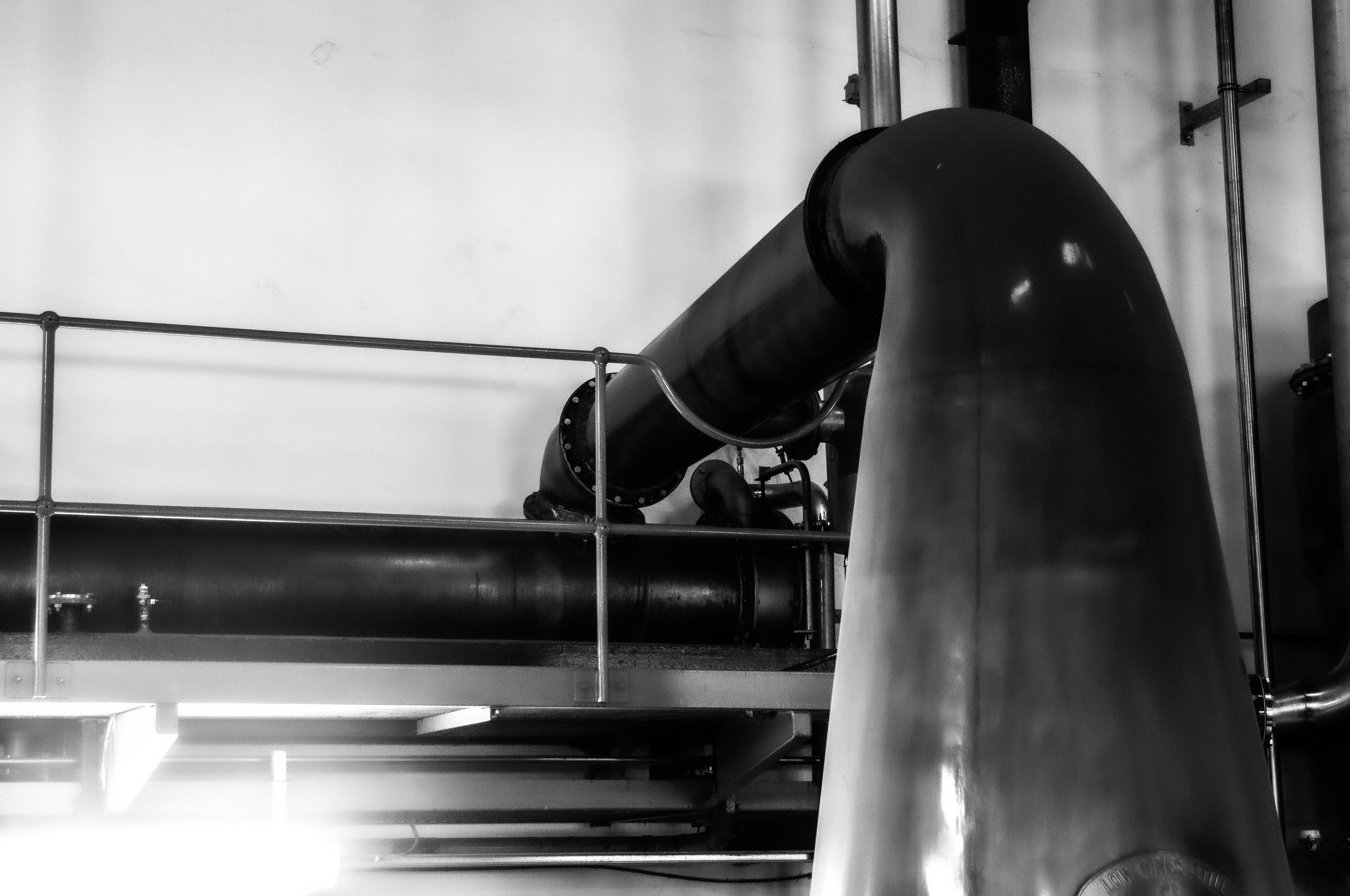
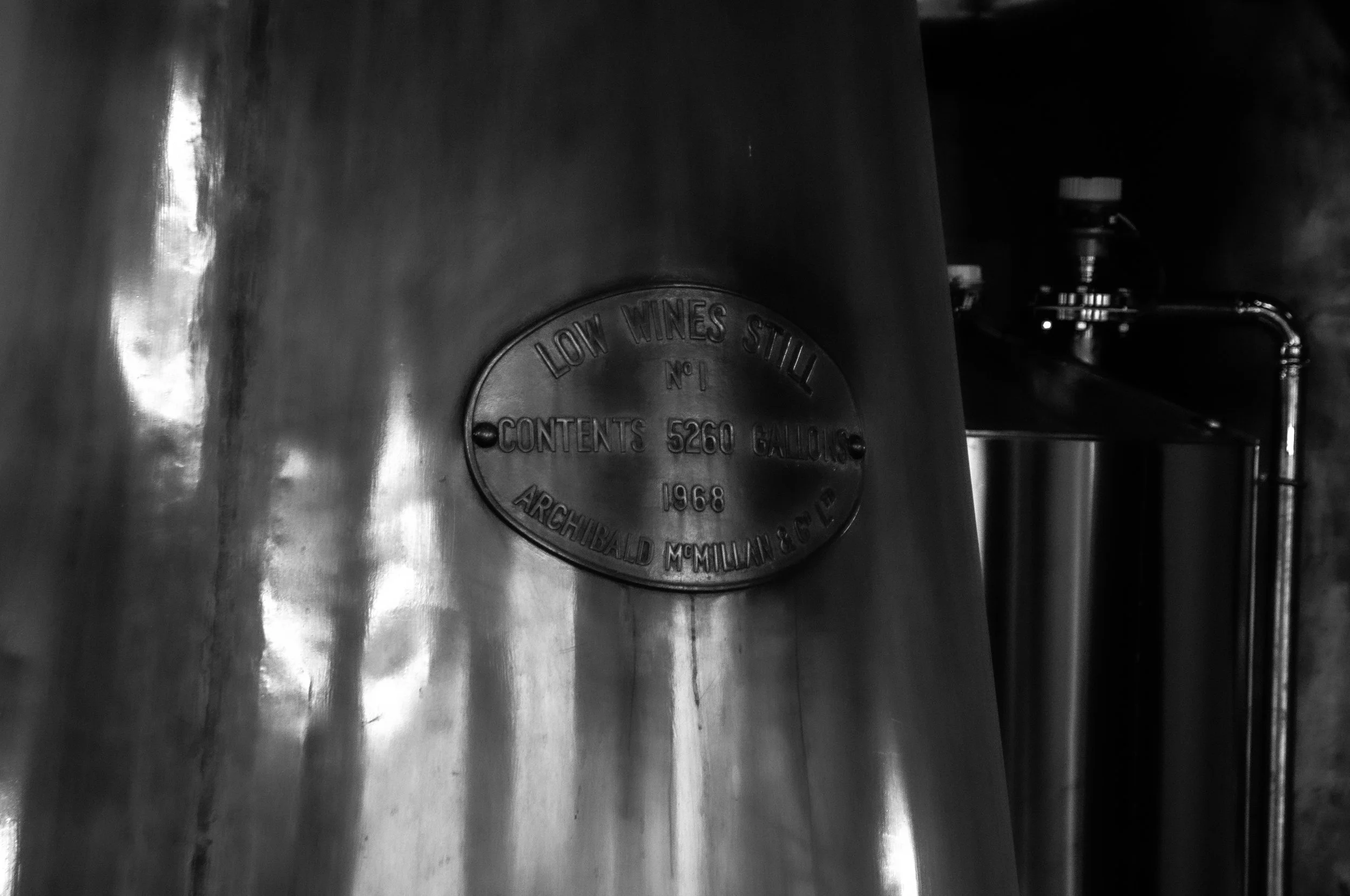
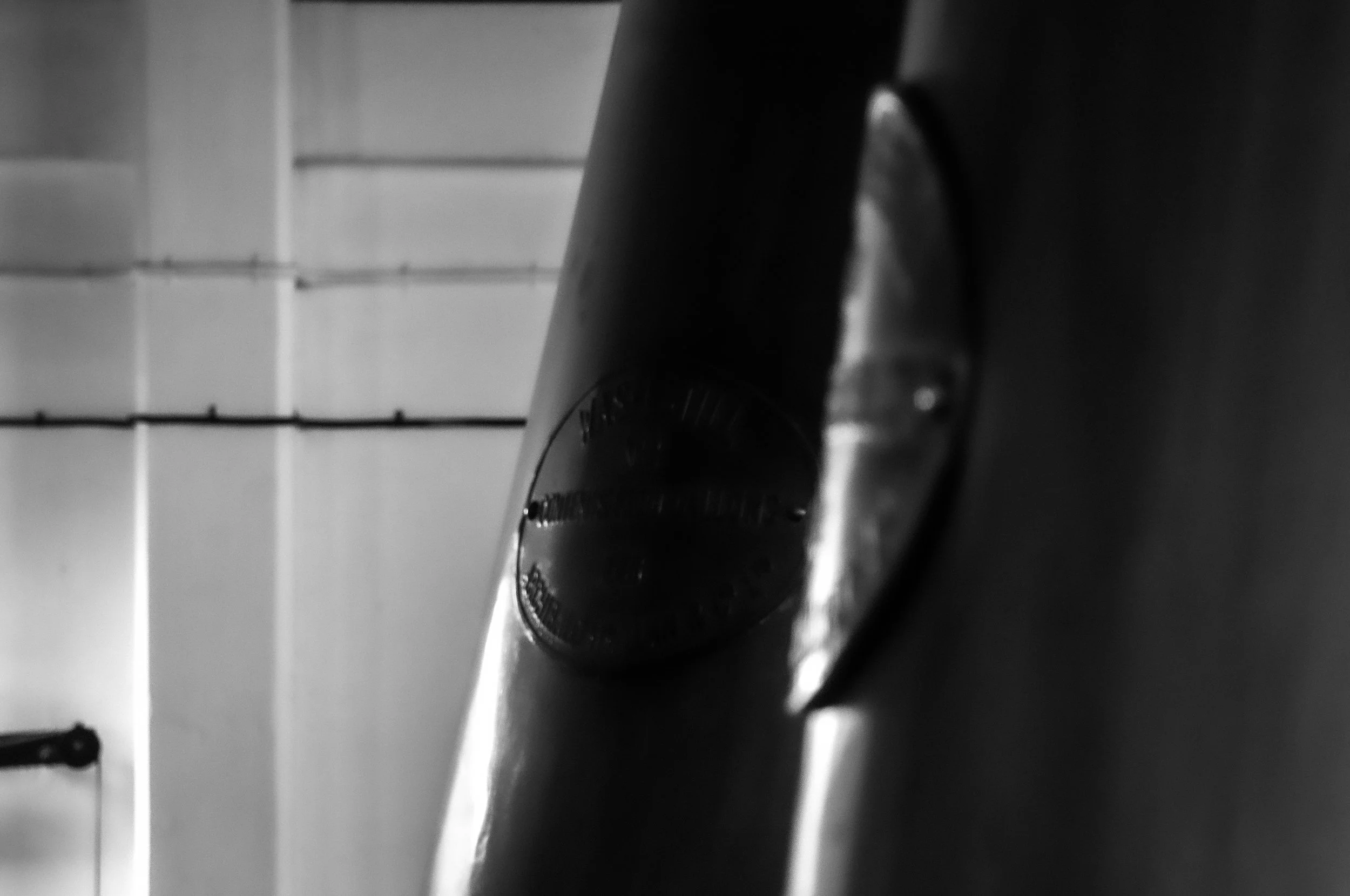
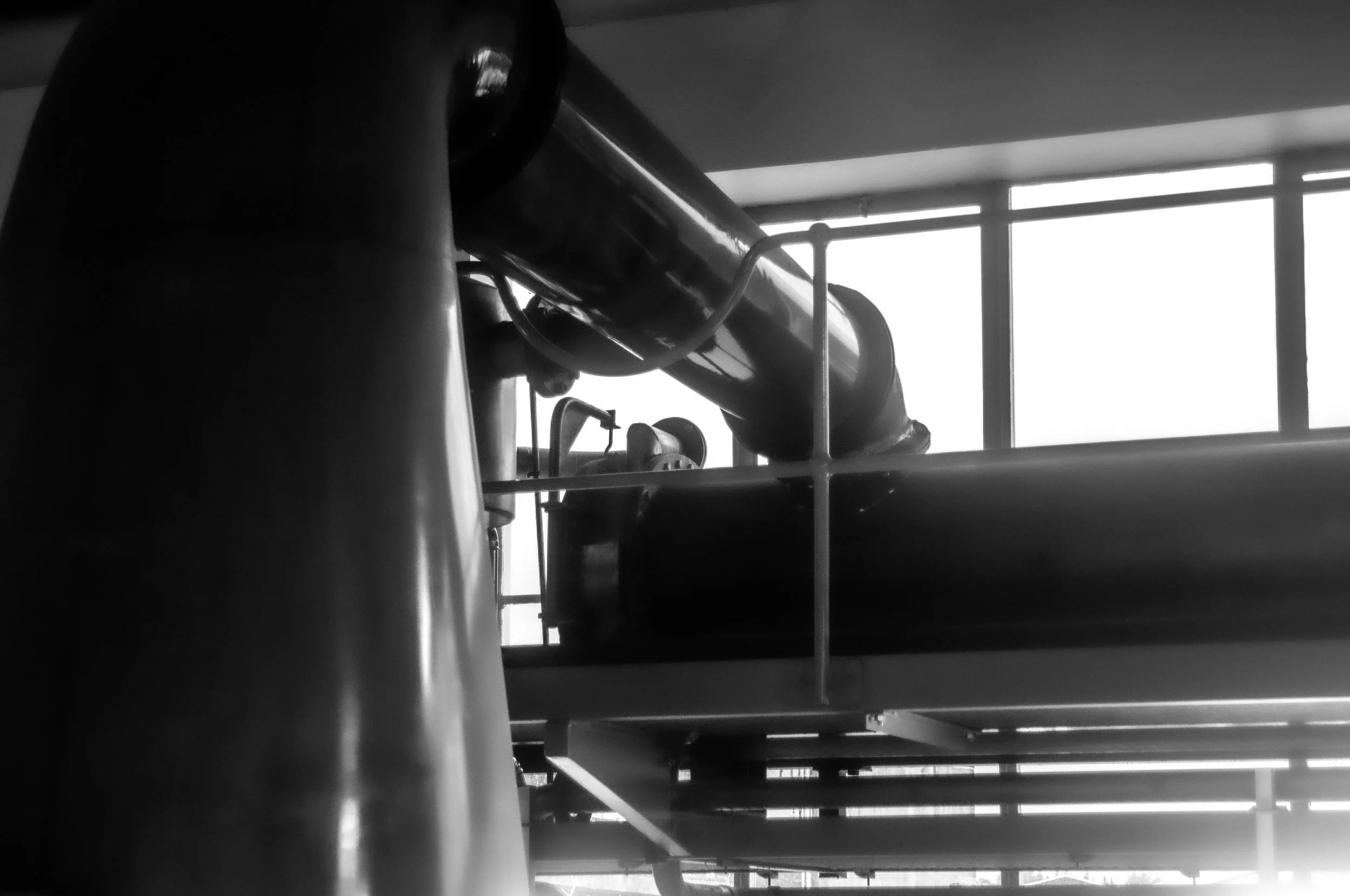
Of course, the horizontal condenser on the Spirit Still side was not preserved out of mere historical sentiment. Rather, it allows the evaporated alcohol vapours to linger longer inside as they pass through. This ensures a more prolonged "copper conversation" between the condensing liquid and the copper tubes. Experienced whisky lovers know exactly what happens here: longer contact time with copper more effectively strips away sulphides, yielding a much cleaner new-make spirit. For Billy Walker, this is akin to obtaining a purer, whiter canvas, allowing the vibrant colours of the casks to shine more brilliantly during maturation. The heart of the spirit cut runs from 74% to 62.5%, with the peated new-make spirit given a slightly wider parameters.
Yet, for all the excellence of GlenAllachie's craft, as far as my personal palate is concerned... I still "prefer a bit of sea side peat."